A Journey at Your Own Pace
Slow travel is a response to the increasingly fast pace of modern travel. Even when we set out to relax, many of us arrive with a mental checklist already in place: cities to visit, viewpoints to photograph, restaurants to try, wineries to tick off. Days quickly become full, and there is often the quiet feeling that slowing down means missing out.
Portugal invites a different way of travelling.
Here, slowing down rarely feels like a conscious decision. It happens naturally. A conversation with a local lasts longer than expected. Lunch extends well into the afternoon. A viewpoint becomes a place to linger rather than simply photograph. Plans change, not because something went wrong, but because something more meaningful happened instead.
After designing tailor-made journeys across Portugal, we've noticed that these unplanned moments are often the ones our guests remember most. Rarely do they talk first about the monuments they visited or the number of places they managed to see. Instead, they remember the conversation with a winemaker that lasted an extra hour, the quiet village where they decided to stay longer than planned, or the evening when there was nowhere else they needed to be.
Portugal may be a relatively small country, but it reveals itself gradually. The landscapes change, but so do the rhythms of everyday life. The way coffee is enjoyed in one region, the pace of a village square, the conversations that unfold around a lunch table or inside a family-owned winery. These are details that are easy to overlook when travelling quickly, yet they often become the moments that define a journey.
Slow travel is not about abandoning planning or avoiding well-known places. It is about creating enough space for unexpected experiences to become part of the itinerary. In Portugal, those unexpected moments often become the most memorable ones.
A Pace That Feels Human
Daily life in Portugal follows a rhythm that rarely bends to urgency. People are punctual, but not hurried. Work is taken seriously, but rarely at the expense of conversation. Meals matter. Silence is comfortable. There is a quiet sense that time exists to be lived, not constantly managed.
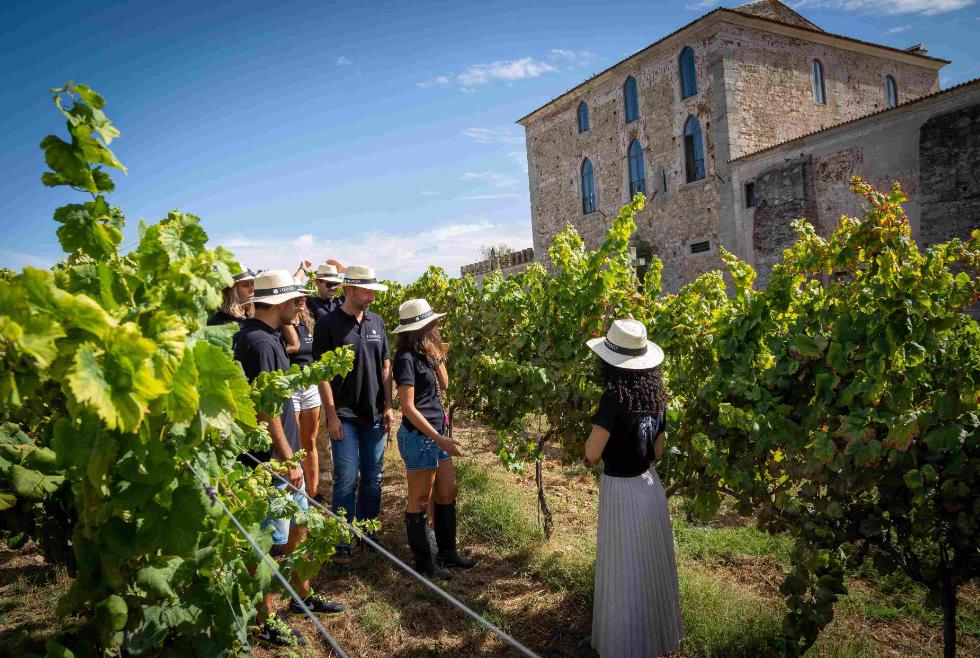
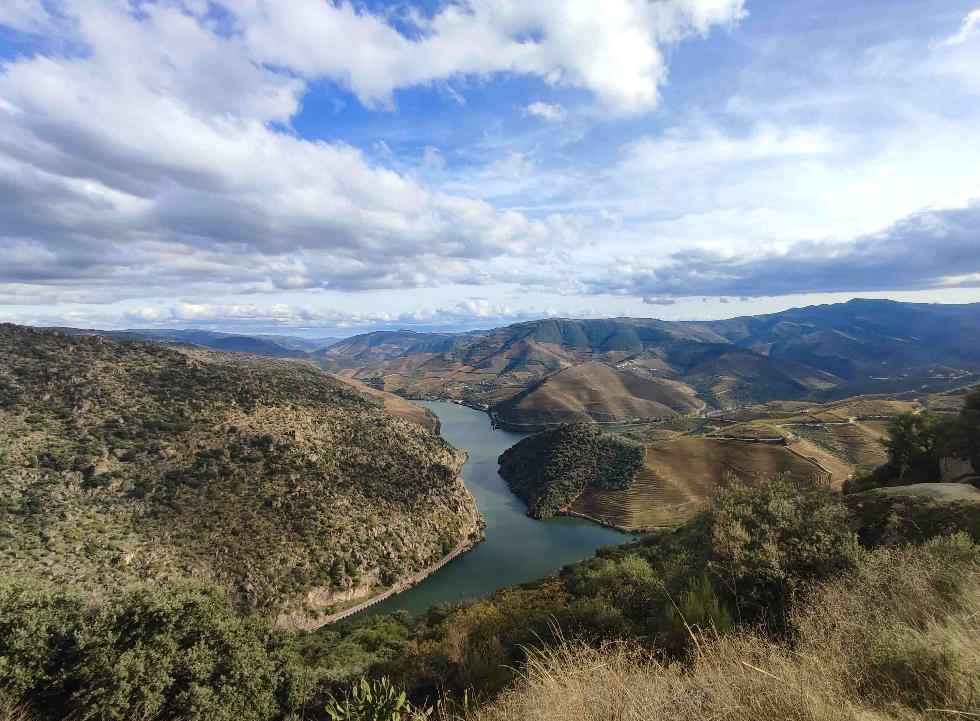
The Douro Valley makes this way of travelling easy to understand. The landscape itself seems to resist speed. Vineyards climb the hillsides patiently, shaped by generations rather than seasons. The river moves at its own pace, and everything around it seems to follow. You can visit several estates in a day, but staying longer in one often reveals far more.
Spend time with a winemaker and the conversation rarely stays on wine. It drifts towards the weather, family, difficult harvests, or decisions made years before. None of it feels planned or rehearsed. More often than not, you leave having learned more from listening than from tasting.
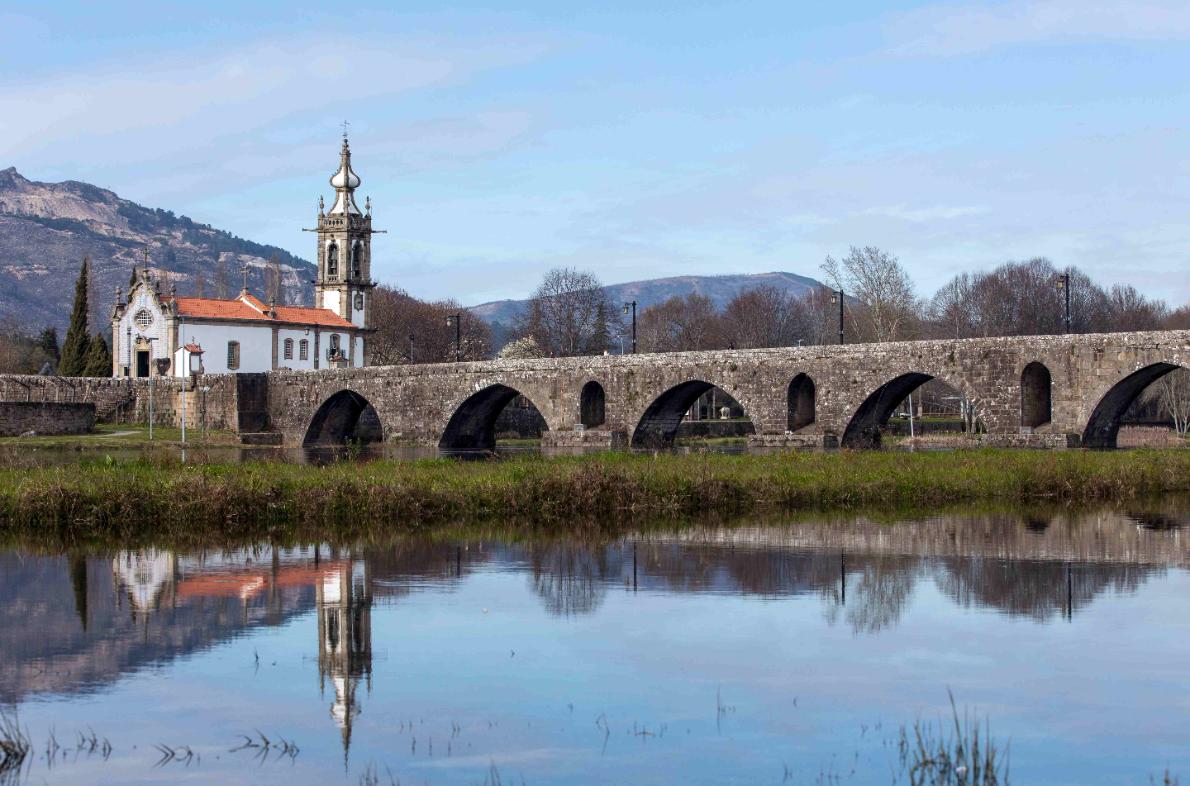
Central Portugal offers a quieter experience. Villages don't announce themselves. Roads narrow, forests thicken, and suddenly you're somewhere that feels untouched by the pace of modern tourism. Walking becomes the natural way to explore. Sometimes a path leads somewhere remarkable. Sometimes it simply gives you time to notice where you are. Both feel equally worthwhile.
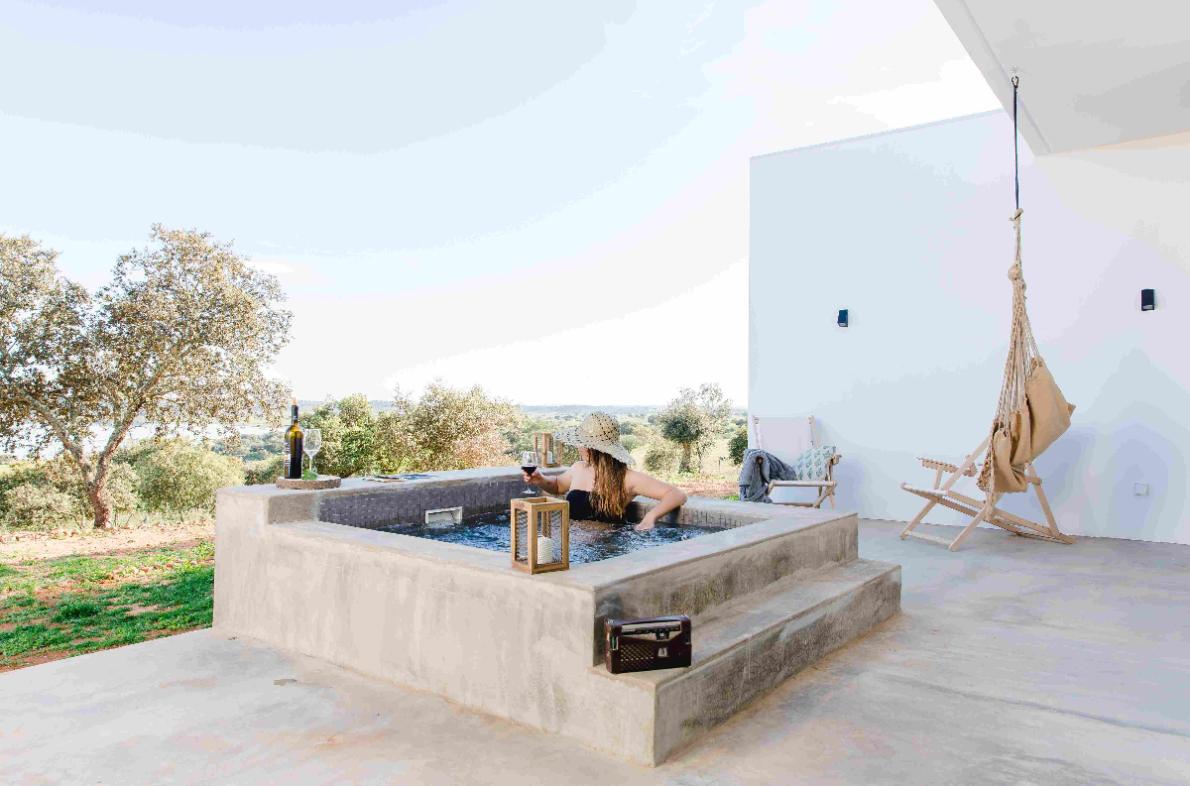
Alentejo slows the rhythm even further. The landscape opens wide and time seems to loosen. Days feel longer, not because you do more, but because nothing urges you to move on. Lunch is rarely rushed. Afternoons unfold slowly. Evenings arrive gently. It's not something you plan for; it's something you gradually settle into.
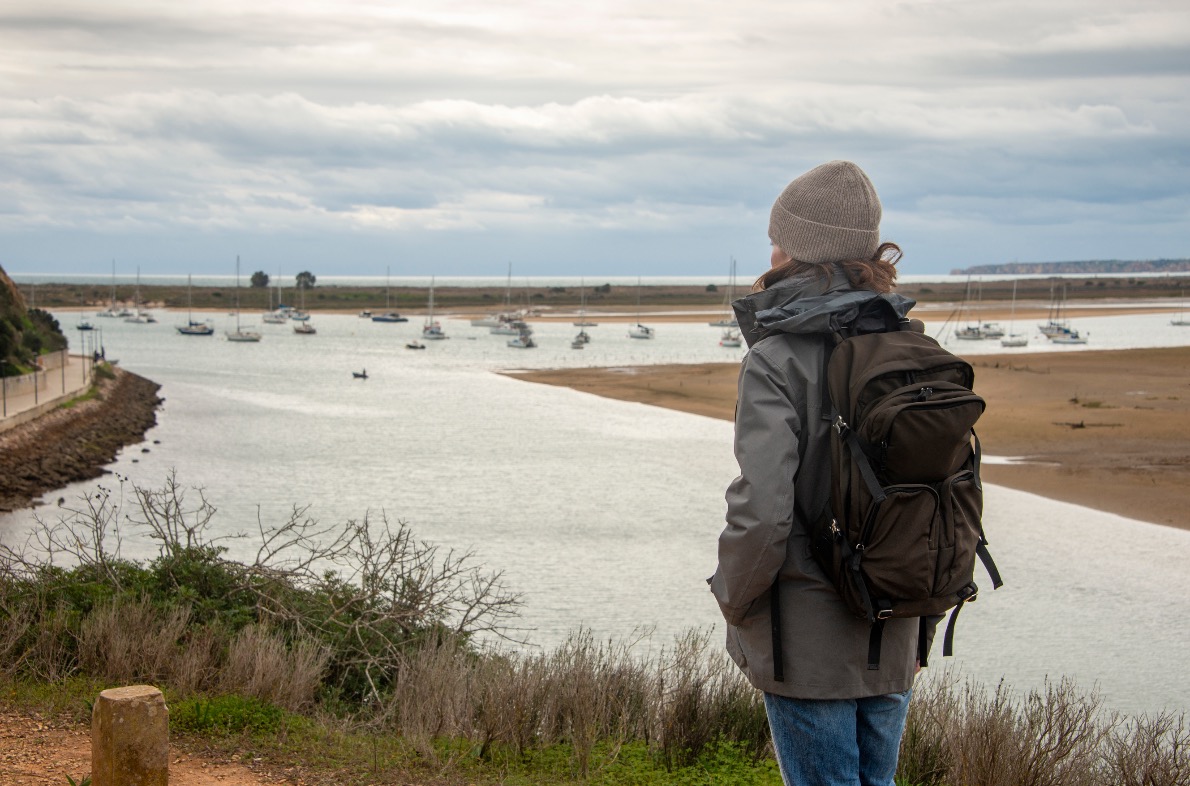
Even the Algarve, often associated with a faster pace, still holds places where this rhythm survives. Small fishing villages. Quiet stretches of coastline. Beaches reached only by taking a short detour. Slow down long enough to find them, and the Algarve begins to reveal a very different side of itself.
What You Notice When You Stop Rushing
Some experiences simply can't be rushed. Watching someone work—really work—takes time. Whether it's tending vineyards, preparing a traditional meal, or shaping clay by hand, the meaning lies in the repetition, the pauses, and the quiet confidence that comes from years of practice. A short visit gives you information. Staying longer gives you understanding.
Food follows the same rhythm. Eating well in Portugal isn't about novelty; it's about continuity. Ingredients come from nearby. Recipes evolve slowly, often passed down through generations. Meals unfold without hurry, accompanied by conversation rather than explanation. You leave the table remembering the people as much as the food itself.
Even walking through a village feels different when you're not trying to get somewhere. You notice who sits in the square each morning, which cafés fill first, and who stops to greet whom. Sometimes a conversation begins for no particular reason. Those moments rarely appear in guidebooks, yet they're often the ones travellers remember long after returning home.
These small details rarely feel extraordinary at the time. They don't demand attention or make perfect photographs. Yet together they create something far more valuable: a genuine sense of place that stays with you long after the journey has ended.
Slowing Down and Traveling Responsibly
Travelling at a slower pace often leads to more responsible choices, even when sustainability isn't the main goal. Spending more time in fewer places reduces unnecessary travel, while choosing family-run hotels, local guides, and independent producers helps support the communities that make each destination unique.
In Portugal, this makes a real difference. Many traditions continue not because they're performed for visitors, but because they're still part of everyday life. Travelling more slowly allows you to experience that authenticity without disrupting it. Rather than simply observing local culture, you become part of its natural rhythm, if only for a short time.
Slowing down doesn't mean sacrificing comfort or memorable experiences. You still enjoy excellent food, welcoming places to stay, and meaningful encounters. The difference is that you give yourself the time to notice them—and that's often what turns a pleasant trip into a journey you'll remember.
A Quieter Kind of Luxury
Luxury in Portugal is often understated. It isn't defined by grand gestures or extravagant experiences, but by something increasingly rare: having the time and freedom to enjoy a place without feeling the need to move on.
Sometimes it's staying in a small hotel where every room has its own character instead of choosing an international chain. Sometimes it's a wine tasting that becomes an unhurried conversation with the winemaker. Sometimes it's simply returning to the same viewpoint at sunset because it feels different the second time. The most memorable moments are often the simplest—and they rarely appear on a checklist.
Immersive Journeys and Slow travel in Portugal
At Immersive Journeys, slow travel isn't something we added to our philosophy; it's the way we've always designed our journeys. Every itinerary begins with a conversation about the traveller rather than the destination. Understanding what matters to each guest allows us to create journeys with the right pace, leaving room for both carefully planned experiences and the unexpected moments that can't be scheduled.
Over the years, we've found that our guests rarely remember how many places they visited. Instead, they talk about the people they met, the conversations that lasted longer than expected, and the places where they chose to stay just a little longer.
That's what slow travel means to us. Not seeing less, but experiencing more of what truly matters.
Related