Traditional Festivals in Portugal: A More Human Way to Experience the Country
Ask someone what they remember most about Portugal, and the answer is often unexpected. Not a monument. Not a viewpoint. But a moment.
A long table set up in the street. Music drifting through narrow lanes. Someone insisting you try something homemade before asking where you're from. A celebration that feels like it belongs to everyone—even if you've only just arrived.
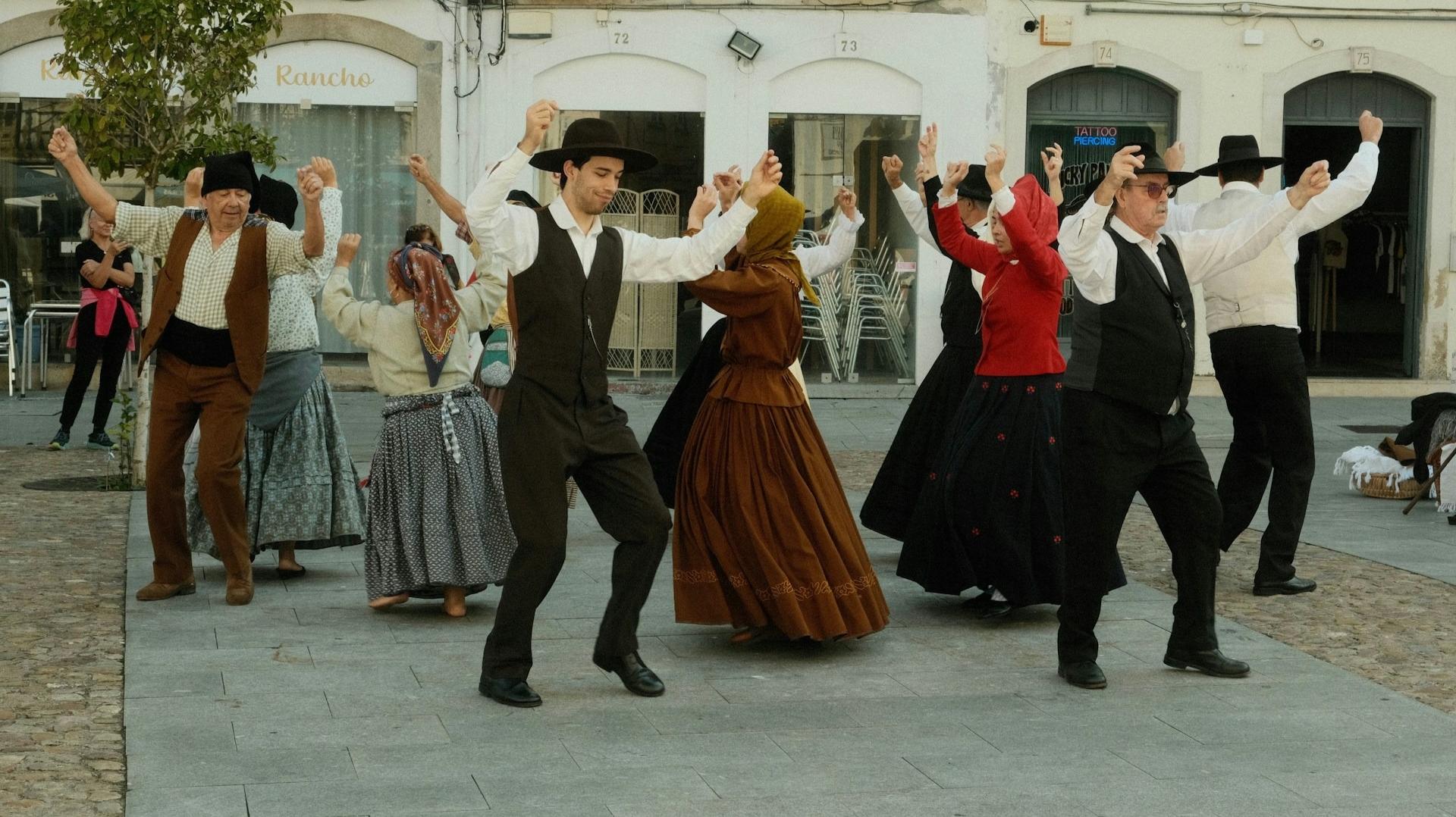
Traditional festivals in Portugal are often where these moments happen. They are more than events to attend. They are living expressions of community, tradition and local identity, where visitors are not simply observers but, more often than they expect, welcomed into the celebration itself. For travellers willing to slow down, they can completely change the way the country is experienced.
What are traditional festivals in Portugal?
It's easy to think of festivals as events—something scheduled, organised, perhaps even created with visitors in mind. Traditional festivals in Portugal are different.
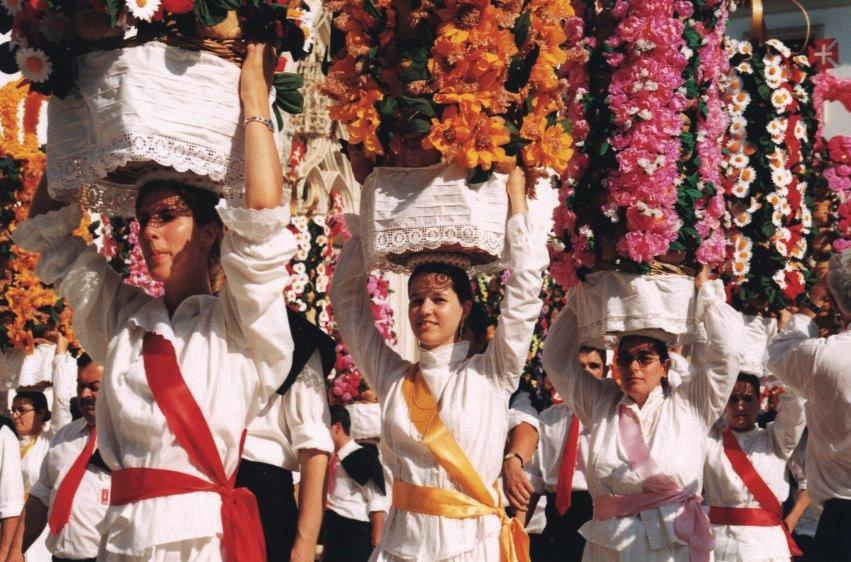
They are woven into the rhythm of local life. Rooted in religious devotion, seasonal traditions and centuries of shared history, they continue because each generation quietly passes them on to the next. The same streets are decorated every year. The same family recipes return to the table. Familiar faces gather in the village square, joined by those who have travelled home simply to be there.
Nothing feels staged. You're not watching a performance created for visitors. You're witnessing a community celebrating something that would have happened whether you were there or not—and that is precisely what makes the experience so memorable.
When Is the Best Time to Experience Traditional Festivals in Portugal?
You don't need to plan your entire journey around traditional festivals in Portugal to experience them. But when your travels happen to coincide with one, the country often reveals a side that guidebooks rarely capture.
June — when the streets become the celebration
June transforms cities like Lisbon and Porto.
Neighbourhoods fill with music, long communal dinners and decorations that appear almost overnight. During the Festas de Santo António and the Festas de São João, the celebrations extend far beyond organised events. Entire communities take to the streets, and visitors quickly find themselves sharing in an atmosphere that feels remarkably open and spontaneous.
It is not simply the festivals that leave a lasting impression, but the sense that, for a few evenings, everyday life itself becomes the celebration.
September — where tradition follows the harvest
By September, the atmosphere changes completely.
Across the Douro Valley, the Alentejo and many rural regions, harvest celebrations reflect the agricultural rhythms that have shaped local communities for generations. There are fewer crowds and less noise, but often a stronger sense of connection to the landscape and the people whose lives are closely tied to it.
These are the moments when Portugal feels at its most grounded.
Spring — traditions shaped by reflection
Spring brings quieter celebrations, many of them linked to Easter and local religious traditions.
Processions move slowly through historic towns, accompanied by customs that have changed little over time. Whether or not you share the religious beliefs behind them, it is difficult not to appreciate the respect, continuity and sense of belonging they represent.
Some experiences are memorable because they are spectacular. Others remain with us because they are deeply meaningful.
Which traditional festivals in Portugal are worth experiencing?
Some traditional festivals in Portugal are widely known—and for good reason. Not because they are the biggest, but because each offers a different perspective on the country's culture and traditions.The Festas de São João in Porto are joyful, energetic and wonderfully unpredictable. Music, laughter and shared traditions fill the streets until the early hours, creating an atmosphere where locals and visitors celebrate side by side.
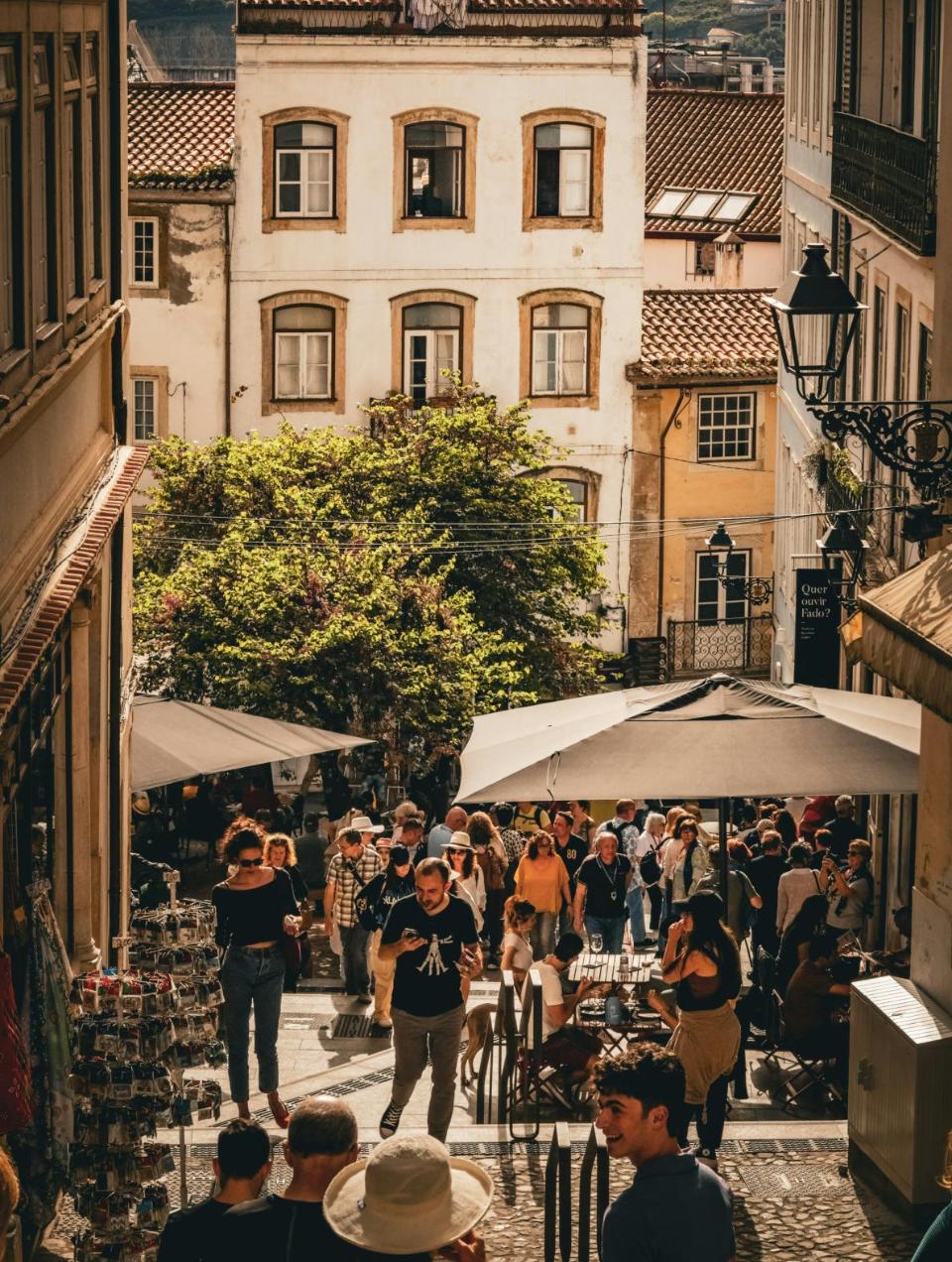
In Lisbon, the Festas de Santo António unfold differently. Each neighbourhood has its own character, from lively squares to quieter streets where neighbours gather for long dinners beneath colourful decorations. Walking through the city during these celebrations feels less like attending an event and more like discovering many small communities, each with its own traditions.
Then there is the Fátima Pilgrimage, where the atmosphere changes completely. Thousands of pilgrims arrive in silence, reflection and hope, creating an experience that is deeply moving regardless of personal beliefs. It stays with many travellers not because it is spectacular, but because it reveals a quieter, more contemplative side of Portugal.
Are There Smaller, Less Obvious Festivals Worth Looking For?
Absolutely—and very often, they become the moments travellers remember most.
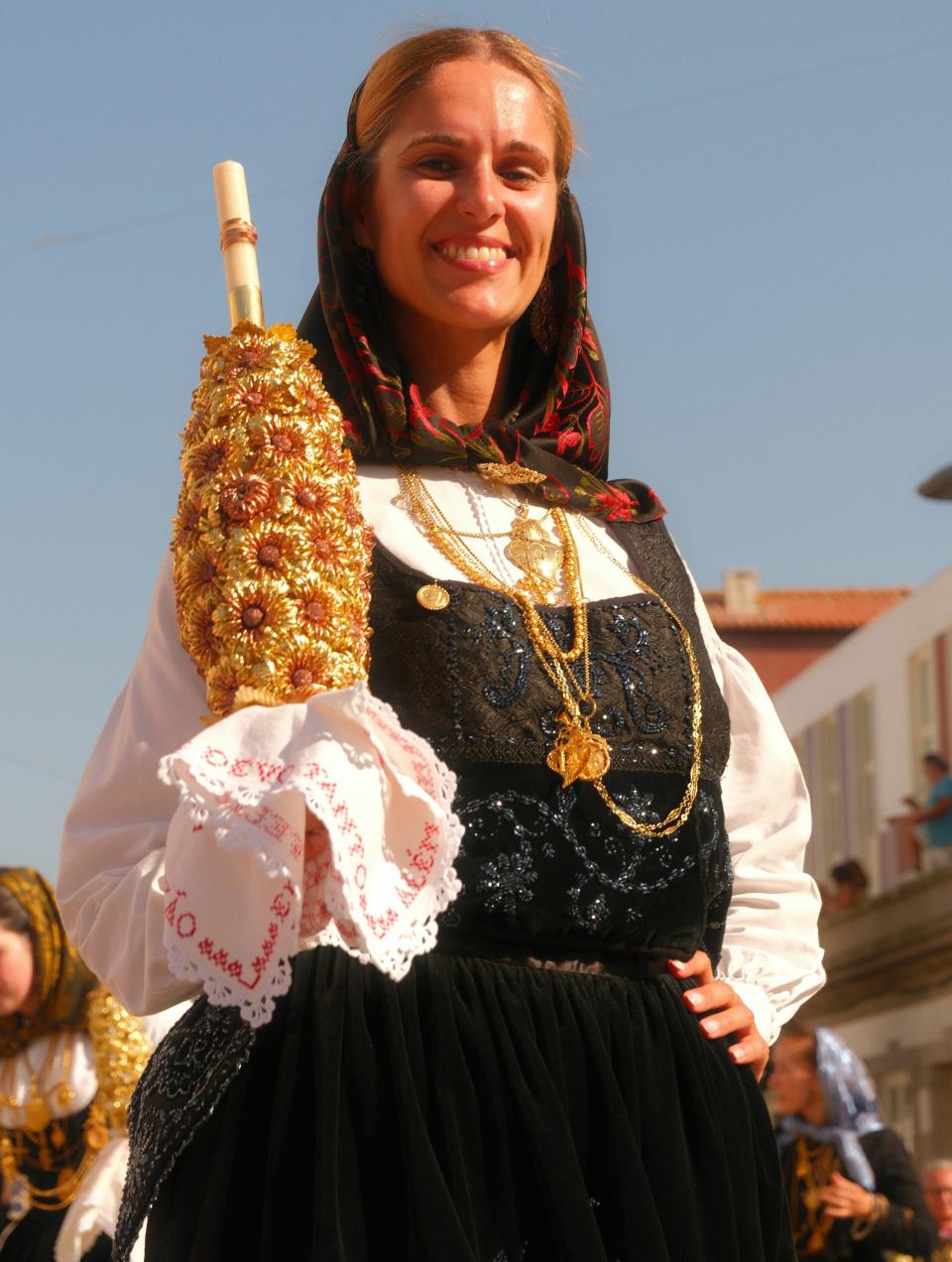
Beyond Portugal's cities, hundreds of village festivals continue much as they always have. A patron saint's day celebrated by the whole community. A harvest gathering where neighbours share food, music and stories. A summer evening when the village square quietly becomes the centre of local life.
These celebrations rarely appear in guidebooks, and that is part of their appeal. There are no grand stages or carefully curated programmes. They exist because they matter to the people who organise them, not because they attract visitors.
The quieter traditional festivals in Portugal may not be the most famous, but they often offer the strongest sense of place.
Can You Join In, or Are You Just Watching?
One of the most rewarding aspects of traditional festivals in Portugal is how naturally visitors become part of them.
There is rarely a clear line between those celebrating and those simply passing through. A conversation begins while waiting for food. Someone offers you a seat at the table. Before long, you realise you are no longer observing the celebration—you are sharing in it.
That welcome comes with an unspoken understanding. The best way to experience these moments is not to rush through them, but to follow the rhythm of the people around you. Listen before taking photographs. Stay a little longer than you planned. Accept small invitations when they come.
The most memorable experiences are rarely the ones we organise ourselves. More often, they begin with the simple willingness to be present.
How Do You Experience Traditional Festivals in Portugal More Meaningfully?
The experience depends less on which festival you choose than on how you choose to travel.
Travellers moving quickly from one destination to the next often see the celebration without ever truly becoming part of it. Those who slow down, spend longer in one place, and leave room for the unexpected are far more likely to experience the quieter moments that make these traditions memorable.
Sometimes that means lingering after the music has faded, accepting an invitation to share a meal, or simply allowing a conversation to unfold without watching the time. These moments cannot be planned into an itinerary, but they often become the ones remembered long after the journey ends.
Why Do These Festivals Stay With People?
It is rarely the music or the food alone, memorable though they may be.
What stays with people is the feeling of having briefly stepped into a community rather than simply observed it. For a few hours, you share traditions that existed long before you arrived and will continue long after you have gone home.
There is something quietly reassuring in that continuity. Traditional festivals in Portugal remind us that not every meaningful experience needs to be carefully curated or perfectly planned. Some of the most lasting travel memories are created simply by being present when everyday life opens its doors to others.
Is It Worth Planning a Trip Around Traditional Festivals in Portugal?
If your goal is simply to see Portugal, probably not. But if you want to understand it more deeply, the answer is often yes.
Planning a journey around traditional festivals in Portugal is not about filling your itinerary with celebrations. It is about arriving at moments when local traditions, community life and everyday culture are at their most visible.
Rather than simply visiting places, you experience them at a time when they reveal something of their character—making the journey feel richer, more personal and far more memorable.
A Quieter, More Human Way to Discover Portugal
In the end, what makes traditional festivals in Portugal memorable is not the celebration itself, but the feeling of briefly sharing in a way of life that has been shaped over generations.
For a few hours, you are no longer simply visiting a destination. You become part of traditions, conversations and communities that continue long after the celebration ends.
Perhaps that is why these moments stay with us. They remind us that the most meaningful journeys are not measured by how much we see, but by how deeply we connect with the places and people we encounter.
If you'd like to experience traditional festivals in Portugal beyond the guidebooks, our tailor-made journeys are designed around the country's seasonal rhythms, local communities and authentic traditions—creating opportunities for the kind of moments that cannot simply be booked, only experienced.
Related