What is the impact of tourism on local communities? It is a question more travellers are asking as they look beyond famous landmarks and seek more meaningful ways to experience a destination. The answer is not straightforward. Tourism can strengthen local economies, preserve cultural traditions and create valuable opportunities for communities. But when it grows without balance, it can also place pressure on everyday life, local identity and natural environments.
There’s a moment that happens on certain journeys—not at a famous viewpoint or in front of a well-known monument, but somewhere quieter. A long lunch that slowly stretches into the afternoon. A conversation with someone who has lived there all their life. A place that feels lived in rather than staged for visitors.
It is often in these moments that we begin to understand a destination differently. We start to see that travel is not only about the places we visit, but also about the people who call those places home. Their traditions, routines and stories become part of the experience in ways no guidebook can fully capture.
This is why understanding the impact of tourism on local communities matters. Tourism is not simply about moving from one destination to another. It influences local economies, cultural heritage, daily life and even the future of the places we choose to visit. Depending on how we travel, that impact can be positive and lasting—or it can gradually change the very character that drew us there in the first place.
When Does Tourism Have a Positive Impact on Local Communities?
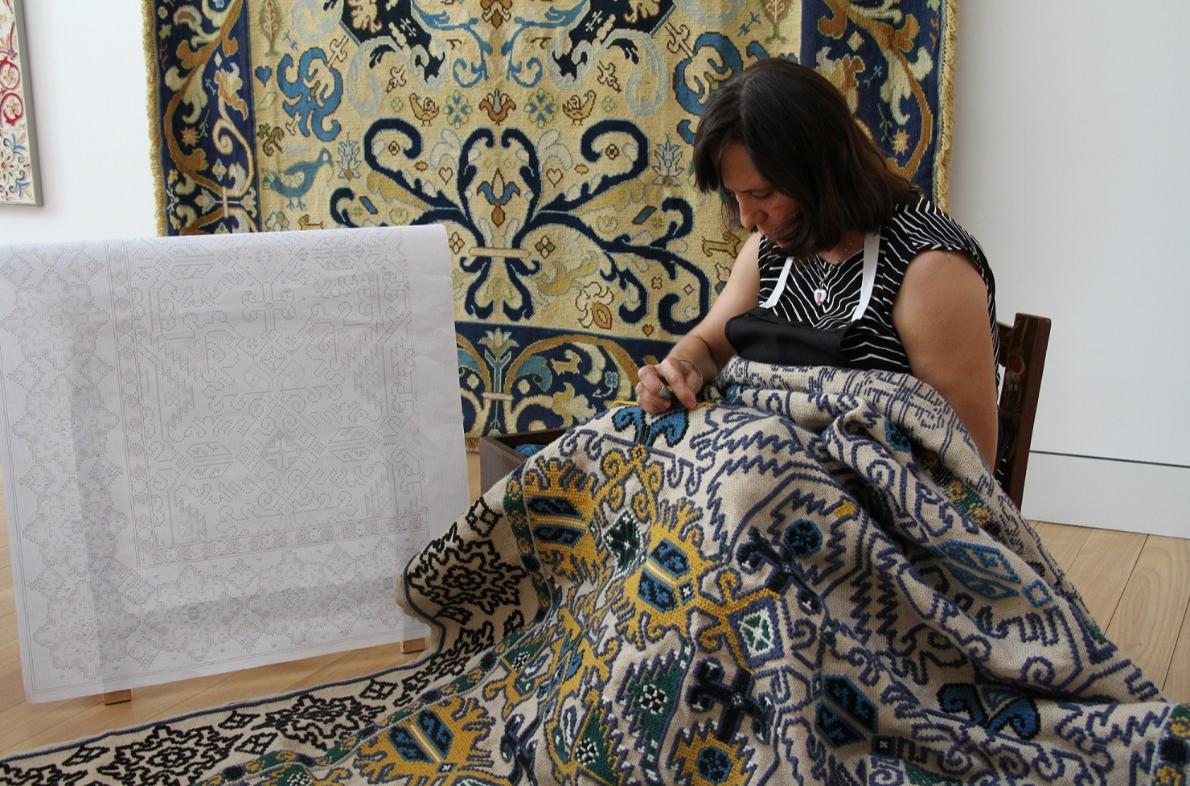
In many regions—especially those away from the main tourist routes—tourism can become an opportunity that arrives at the right time. A small village that has been losing younger generations begins to see new life. A family home that once stood empty welcomes visitors again. A local producer, who has quietly practised their craft for years, suddenly finds people interested in tasting, learning and listening.
These changes are often subtle, but they matter. When tourism develops thoughtfully, it brings more than economic benefits. It creates recognition. It reminds local communities that their traditions, knowledge and identity are worth preserving and sharing.
This is where tourism can have a genuinely positive impact on local communities. It helps keep cultural heritage alive while creating opportunities for local people without losing the character of the place.
But it does not always happen that way.
When tourism grows too quickly, or without careful planning, it can disrupt the natural rhythm of a destination. Streets become crowded. Familiar spaces begin to feel unfamiliar. Shops, cafés and even entire neighbourhoods gradually adapt—not to the people who live there, but to those who are simply passing through.
For residents, this can create a growing sense of distance from their own community. Housing becomes more expensive, everyday life more difficult, and the unique character of a place can slowly begin to fade.
Culture can also change in subtle ways. Traditions that once evolved naturally may be simplified or repeated to meet visitors' expectations. Not because anyone intends harm, but because demand gradually shapes what is offered. Over time, what was once authentic can begin to feel rehearsed.
The Difference Lies in How We Travel
At its core, tourism is not the problem. The way we choose to travel is.
There is a clear difference between moving quickly through a destination—trying to see as much as possible in as little time as possible—and truly spending time there. Slowing down. Paying attention. Allowing experiences to unfold naturally.
When travel becomes less about ticking places off a list and more about immersive travel experiences, everything begins to change.. You notice more. You listen more. And, perhaps most importantly, you engage with local communities in a more meaningful way.
Instead of simply passing through, you become—even if only for a short time—part of the place. This is where the impact of tourism on local communities begins to shift in a more positive direction, creating experiences that benefit both travellers and the people who call the destination home.
The Human Connection
Some of the most memorable moments in travel are never planned.
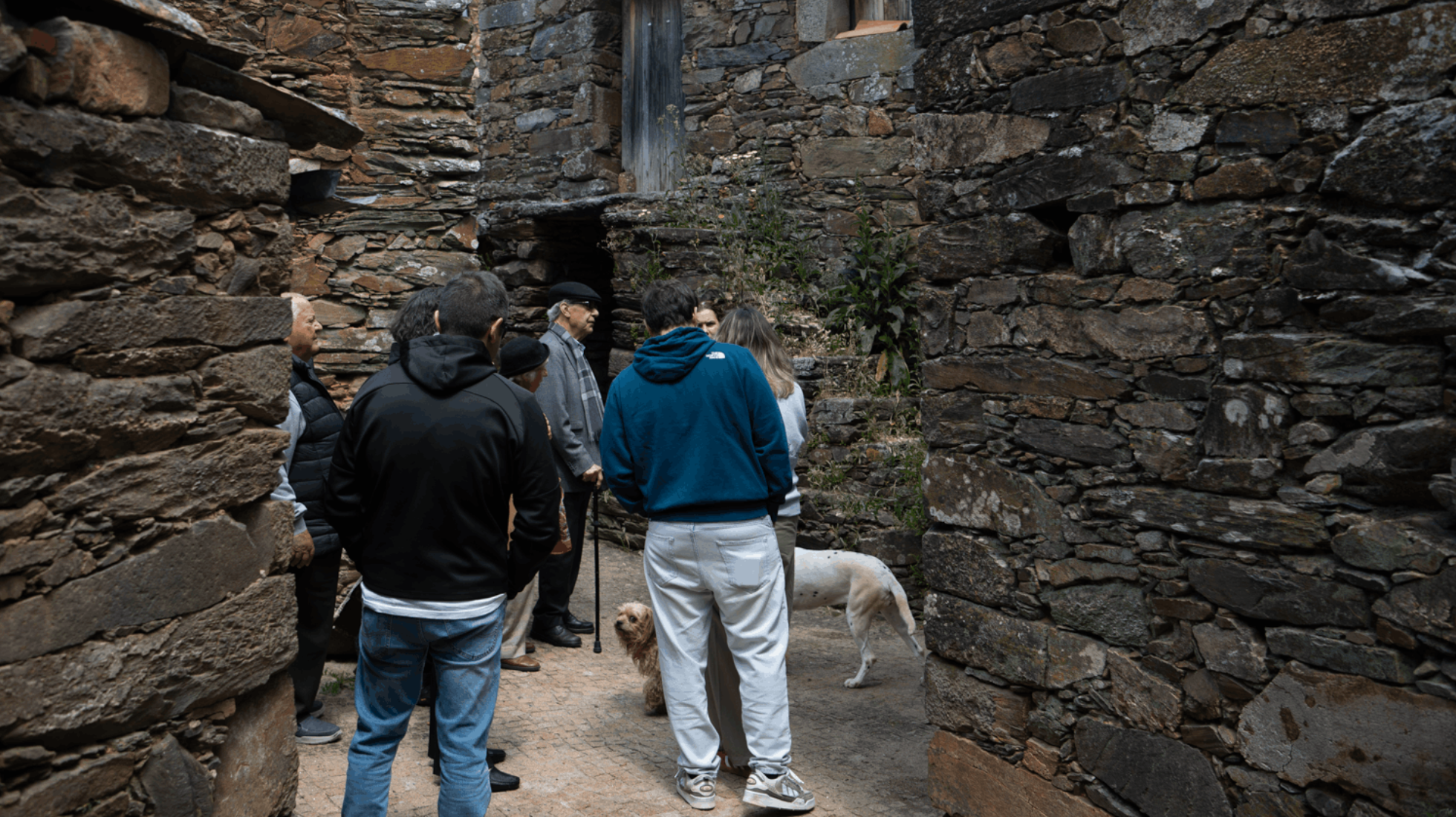
They happen when someone shares a story that isn't in any guidebook. When a meal becomes a conversation. When you're welcomed not as a customer, but as a guest.
These moments may seem small, but they often become the most meaningful. For local communities, these interactions create a different kind of exchange—one built on curiosity, respect and genuine human connection.
It is not about consuming a culture. It is about experiencing it with openness, understanding its value and recognising the people who keep it alive.
Long after the journey ends, these are often the moments that stay with us—more than any famous landmark or postcard view.
Nature Is Part of the Story Too
For many local communities, the surrounding landscape is more than scenery. It is part of their daily life, their history and their identity.
Tourism can help protect these places by raising awareness, supporting conservation and creating resources that make preserving natural heritage possible.
But once again, it depends on scale and intention.
Too many visitors, arriving too quickly, can place growing pressure on fragile ecosystems. Water, energy and space become more heavily used, and places that once felt peaceful can gradually become overwhelmed.
For the people who live there, this is not only an environmental issue. It is part of their everyday reality and of the future of the place they call home.
A Quieter Shift in the Way We Travel
In recent years, there has been a noticeable shift in the way many people travel.
More travellers are looking for experiences that feel real. Not necessarily more luxurious in the traditional sense, but more meaningful and more connected to the places they visit.
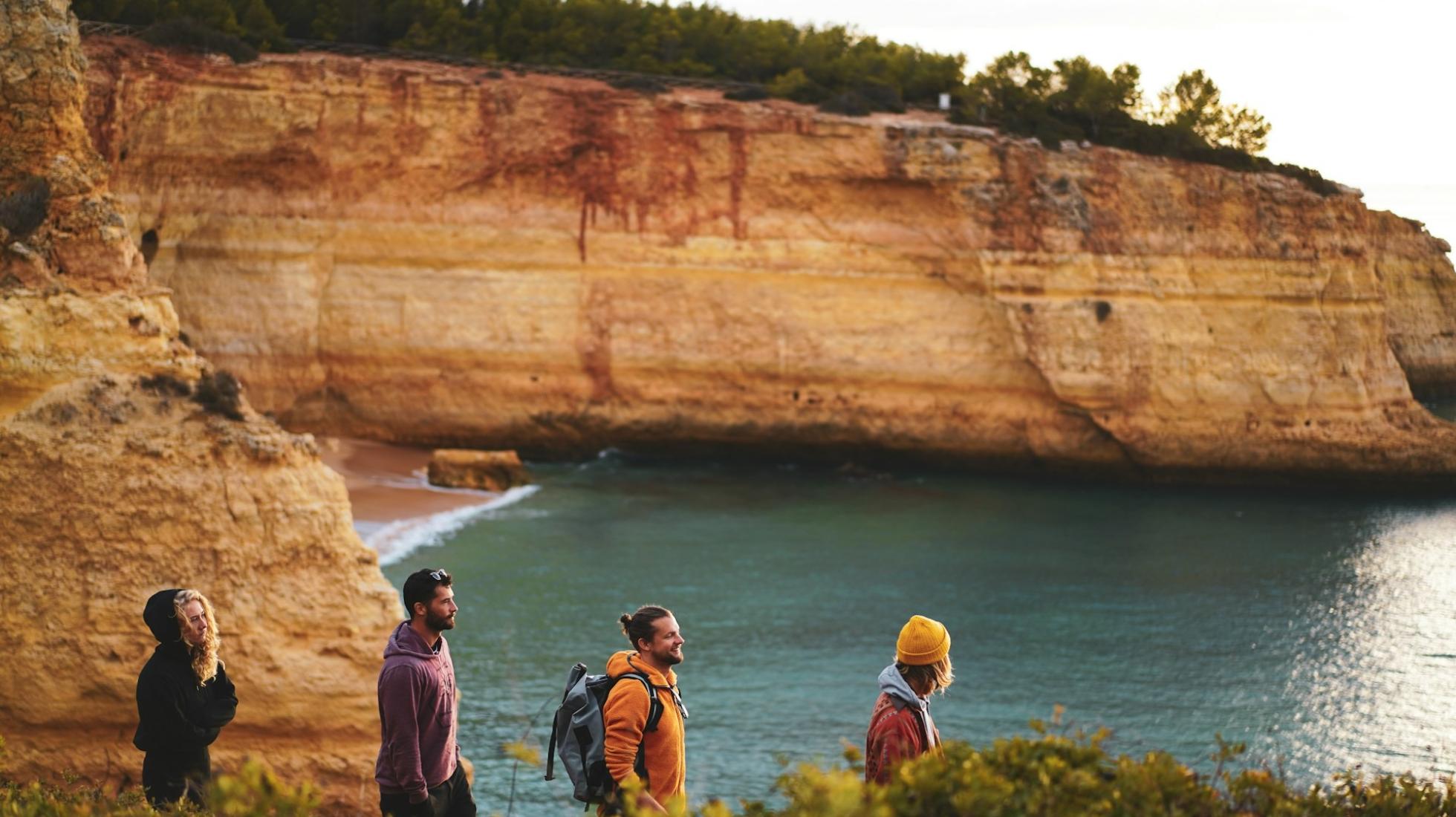
They are choosing smaller destinations, staying longer, asking more questions and wanting to understand a place rather than simply see it.
In this context, the question “what is the impact of tourism on local communities?” becomes even more important. Every travel decision—where to stay, what to visit and who to support—helps shape that impact.
Choosing a local guide instead of a large group tour. Staying in accommodation that reflects the character of the region rather than a standardised hotel. Spending time in places that are not already overwhelmed by tourism.
Individually, these choices may seem small. Together, they create a more responsible and sustainable form of tourism that benefits both travellers and local communities
Responsibility Doesn't Have to Be Complicated
Talking about responsible travel can sometimes feel overwhelming. In reality, it often comes down to simple awareness.
Being present. Being respectful. Being genuinely curious.
Understanding that behind every experience are people—with their own lives, routines and traditions.
And recognising that travel is not only about what we take from a place, but also about what we leave behind.
So, What Is the Impact of Tourism on Local Communities?
The impact of tourism on local communities is never the same. It varies from place to place and depends largely on how tourism is developed—and how we choose to travel.
Tourism can strengthen local economies, help preserve cultural heritage and create meaningful connections between visitors and residents. It can bring new opportunities while protecting the traditions and identities that make a destination unique.
But it can also create pressure, imbalance and loss, especially when growth happens without respect for local communities or the environment.
Ultimately, the impact of tourism on local communities is shaped by the choices we make. Because the most meaningful journeys are not only about discovering new places—they are about leaving those places better than we found them.
Related