The best things to do in Alentejo, Portugal, are not necessarily the experiences found on a conventional list of attractions. There are castles, vineyards, historic towns and extraordinary landscapes, but Alentejo reveals itself differently when you slow down. Sit down for lunch. Talk to someone. Take the longer road. Stay until the light changes. For travelers interested in authentic encounters, local culture, nature and understated luxury, Alentejo offers something increasingly rare: the feeling that everyday life is still part of the journey.
Share a Table with Alentejo Locals in a Tavern or Café
One of the simplest ways to understand Alentejo is to eat where local people eat. A small tasca or village café may not look remarkable from outside. Inside, lunch can become a lesson in the region: bread, olive oil, cheese, seasonal vegetables, migas, black pork or lamb, usually served without much fuss.
Food here is deeply connected to rural life. Meals are social occasions, and conversations tend to continue long after the plates have been cleared. If you have the opportunity to share a meal with a local family or host, take it. The conversation can tell you as much about Alentejo as the food itself.
What food should you try in Alentejo?
Look for dishes based on local bread, olive oil, herbs, pork, lamb and sheep's cheese. Recipes vary between communities, making regional cooking part of the discovery.
Have a Sunset Picnic Among the Vineyards
Late afternoon is one of the best times to be among the vineyards in Alentejo. The heat begins to ease, the rows of vines stretch towards the horizon, and the landscape becomes quieter. A private picnic can be simple: local bread, cheese, seasonal produce and a bottle of wine from the estate.
The interest is not only in tasting the wine, but in understanding where it comes from and meeting the people who produce it. A small family-run estate can offer a very different experience from a conventional tasting room. There is time for questions, conversation and simply enjoying the landscape.
Experience the Opening of the Talhas
In parts of Alentejo, wine is traditionally made in large clay vessels known as talhas. The practice has ancient roots and remains particularly associated with the area around Vidigueira and Vila de Frades.
The opening of the talhas marks the moment when the new wine is ready. It is a tradition connected with wine, agriculture and local communities rather than simply a tasting for visitors.
Tasting wine directly from the clay vessels gives a different perspective on Alentejo's wine culture and on the traditions that continue because local people still practice them.
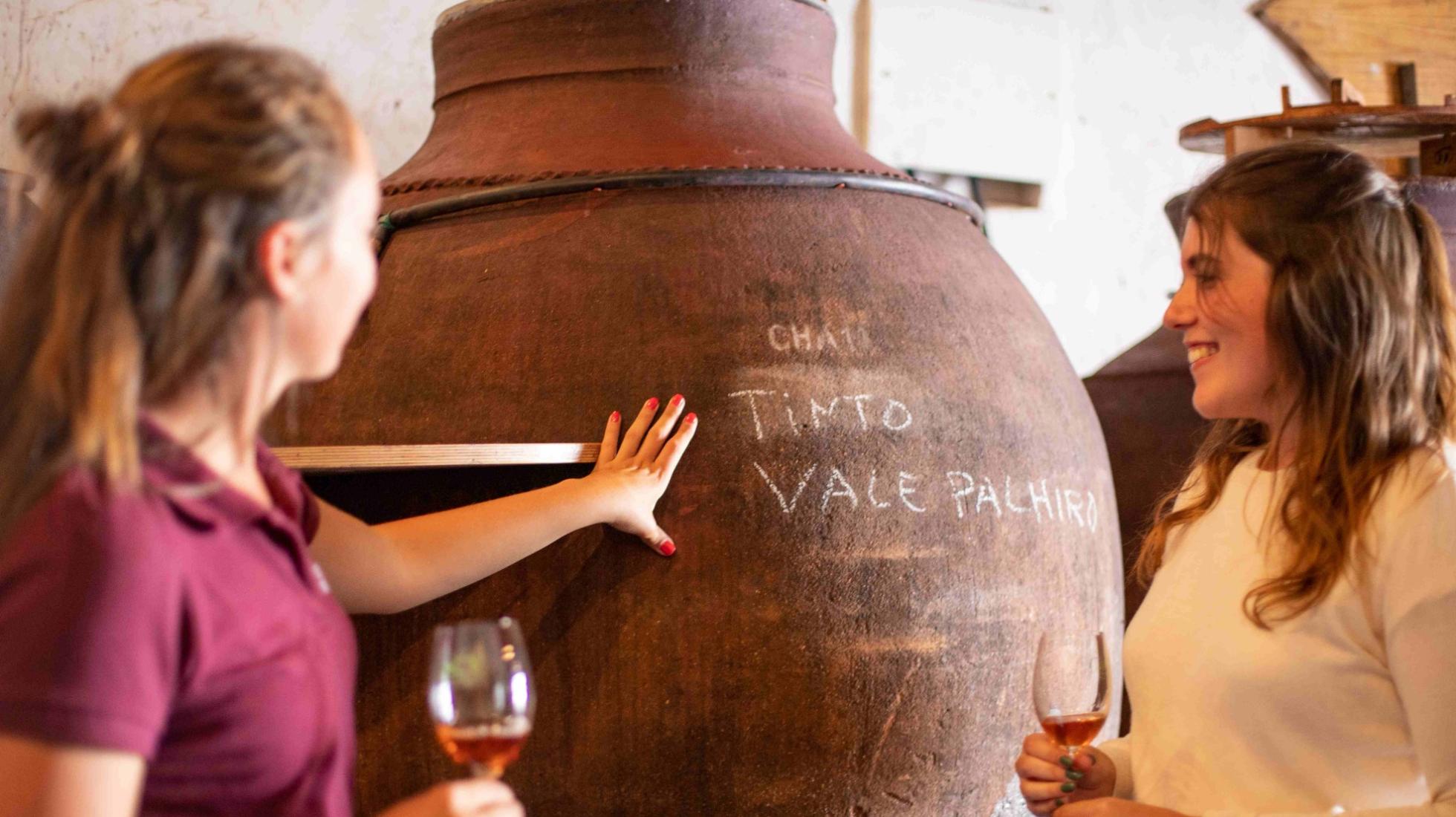
Tasting wine directly from a traditional talha in Vila de Frades.
Discover Deserted Beaches Along the Alentejo Coast
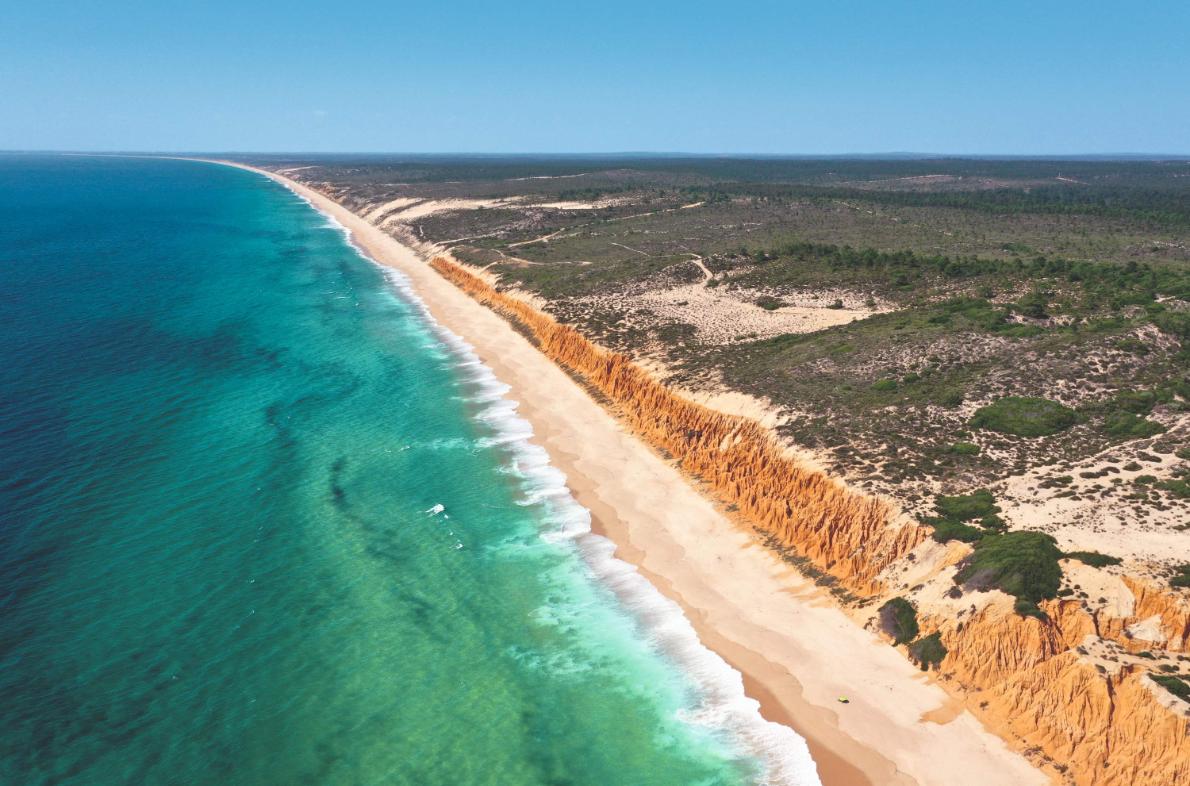
The Alentejo coast still offers long stretches of sand, dunes and quiet beaches, away from the busier seaside resorts. Places such as Malhão, Almograve and some of the beaches around Vila Nova de Milfontes are ideal for walking, swimming or simply spending some time by the Atlantic.
For those looking for a slow travel experience, a morning or afternoon by the coast offers the perfect balance of nature, silence and days spent discovering the region's food, wine and culture.
Step into the Rhythm of Alentejo
Perhaps one of the best things to do in Alentejo is to leave part of the day unplanned.
The distances may look manageable on a map, but this is not a region to race through. A village square, a roadside café or an unexpected conversation can easily become the highlight of the day.
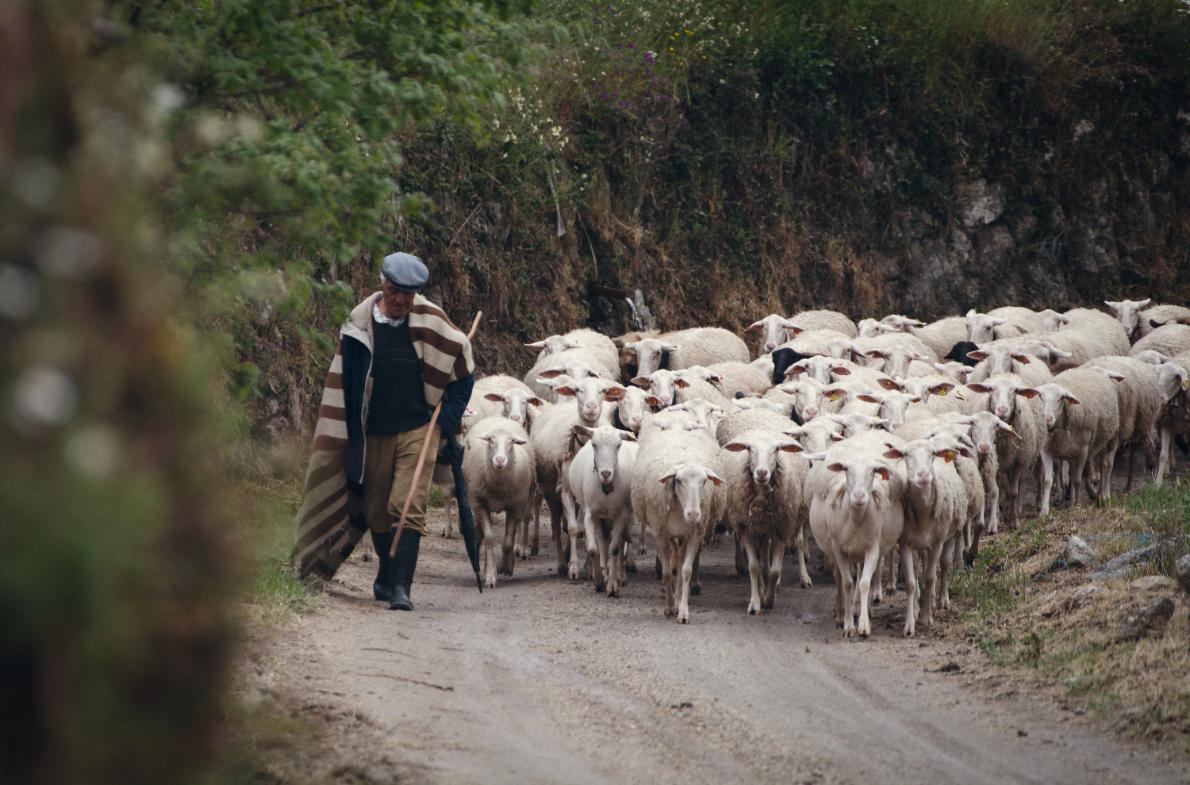
A shepherd crossing the road with his flock. Someone recommending a small restaurant. A coffee that turns into a conversation.These moments cannot be scheduled.Traveling slowly in Alentejo simply means giving yourself enough time to notice them.
Experience the Silence of Alentejo
Silence is one of the region's most understated pleasures.
Beyond the towns, the landscape opens into cork oak forests, vineyards, olive groves and wide plains. Early in the morning, you may hear little more than birds, wind and the bells of sheep.
The Alqueva area is particularly impressive after dark. With very low light pollution, the night sky becomes part of the landscape and offers exceptional conditions for stargazing.
For travelers accustomed to busy cities and full itineraries, doing very little for an hour can be surprisingly memorable.
 Fabricaal artisan shop in Alentejo
Meet Artisans in Their Workshops
Alentejo's traditions are also kept alive by people who continue to work with their hands.
Pottery, ceramics, weaving, cork and embroidery remain part of the region's cultural identity. In places such as Redondo and Arraiolos, meeting an artisan offers an insight that a finished product in a shop cannot provide.
Watch how the work is done. Ask about the materials. Listen to the story behind the craft.
An Arraiolos rug, for example, becomes much more meaningful once you understand the patience required to create it.
For us, an authentic cultural experience should involve the person behind the object, not simply the object itself.
 Three Cante Alentejano singers
Join a Cante Alentejano Singing Session
Cante Alentejano is one of the most distinctive expressions of Alentejo's communal identity.
Traditionally performed in groups and without instrumental accompaniment, cante brings several voices together. The sound is powerful, but the meaning goes deeper. These songs are connected to memory, work, rural life and belonging.
UNESCO recognised Cante Alentejano as Intangible Cultural Heritage in 2014.
If you have the opportunity to meet local singers, listen to their stories and learn about the tradition. In the right setting, visitors may even be invited to join.
You do not need a perfect voice. The important thing is to participate respectfully rather than simply watch.
Follow the Cork from Tree to Craft
The cork oak is one of the defining trees of Alentejo, yet many visitors never discover what happens between the landscape and the cork products they know.
Cork harvesting is a skilled process: the bark is removed without killing the tree, allowing it to continue growing and producing cork.
Meeting a local producer or craftsman can also introduce you to the montado, an ecosystem where cork oaks, livestock, agriculture and biodiversity coexist.
It is a useful reminder that sustainability in rural Portugal is not necessarily a new idea. In many places, it is part of a much older relationship with the land.
Explore Alentejo Beyond the Famous Towns
Évora deserves its place on a first visit, but Alentejo becomes particularly rewarding beyond its best-known destinations.
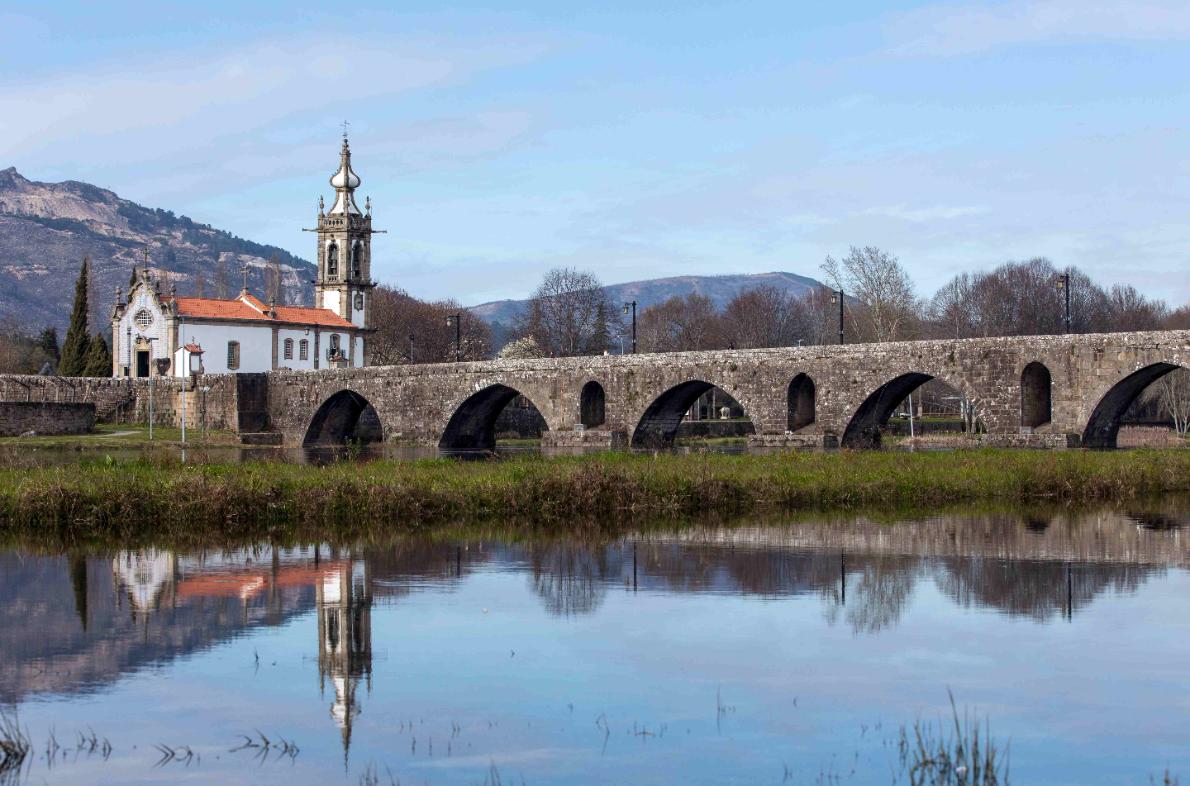
Monsaraz, Marvão, Estremoz and Elvas each have a distinct character, while smaller villages offer a quieter encounter with local life.
There is no need to collect them all.
Choose one place, walk slowly, have lunch and sit down for a coffee. You may discover more about Alentejo that way than by visiting several towns in one day.
Why Is Alentejo So Well Suited to Slow, Luxury Travel?
Luxury in Alentejo is rarely about ostentation. It is more often about space, privacy, time and access.
It might be a private visit with an artisan, lunch with a local family, an afternoon among vineyards or an evening listening to Cante Alentejano with people who have grown up with the tradition.
These experiences are valuable precisely because they cannot be easily standardised.
For travelers looking for the best things to do in Alentejo, Portugal, the answer may therefore be less about finding the most famous attraction and more about finding the right moment.
At Immersive Journeys, we design private journeys around each traveler's interests and pace, with an emphasis on genuine encounters, local knowledge and a respectful relationship with the places we visit.
Alentejo does not need to be rushed.
Give it time, and it usually gives something back.
Frequently Asked Questions About Alentejo
FAQ: How Many Days Do You Need in Alentejo?
For a first visit, three to five days allows enough time to combine culture, food, wine, nature and local experiences without spending the entire journey in a car.
FAQ: What Is the Best Time to Visit Alentejo?
Spring and autumn are particularly pleasant for exploring the countryside. Summer can be very hot inland, while early mornings and evenings are beautiful. Winter is quieter and well suited to gastronomy and cultural experiences.
Is Alentejo Suitable for Luxury Travel?
Yes. Alentejo offers a quieter form of luxury based on privacy, space, excellent food, beautiful landscapes and access to genuine local experiences rather than conventional luxury tourism.
Related