Hidden places in Portugal are not defined by distance but by rhythm. They are rarely the places featured on itineraries or marked as highlights on a map. Instead, they reveal themselves gradually, when travel slows down enough for observation to replace movement.
In a country where many visitors follow a route between Lisbon, Porto, and the Algarve, these lesser-known corners offer something different: not a curated version of Portugal, but everyday life unfolding at its own pace. A village café where the familiar neighbours still gather each morning. A family vineyard where conversations matter as much as the wine. A riverside town that feels unchanged by the passing seasons.
These places are not hidden because they are inaccessible. They remain overlooked simply because they ask for time rather than attention. Yet it is often here, away from the most visited routes, that Portugal reveals some of its deepest cultural character.
Douro Valley: villages that still belong to the river
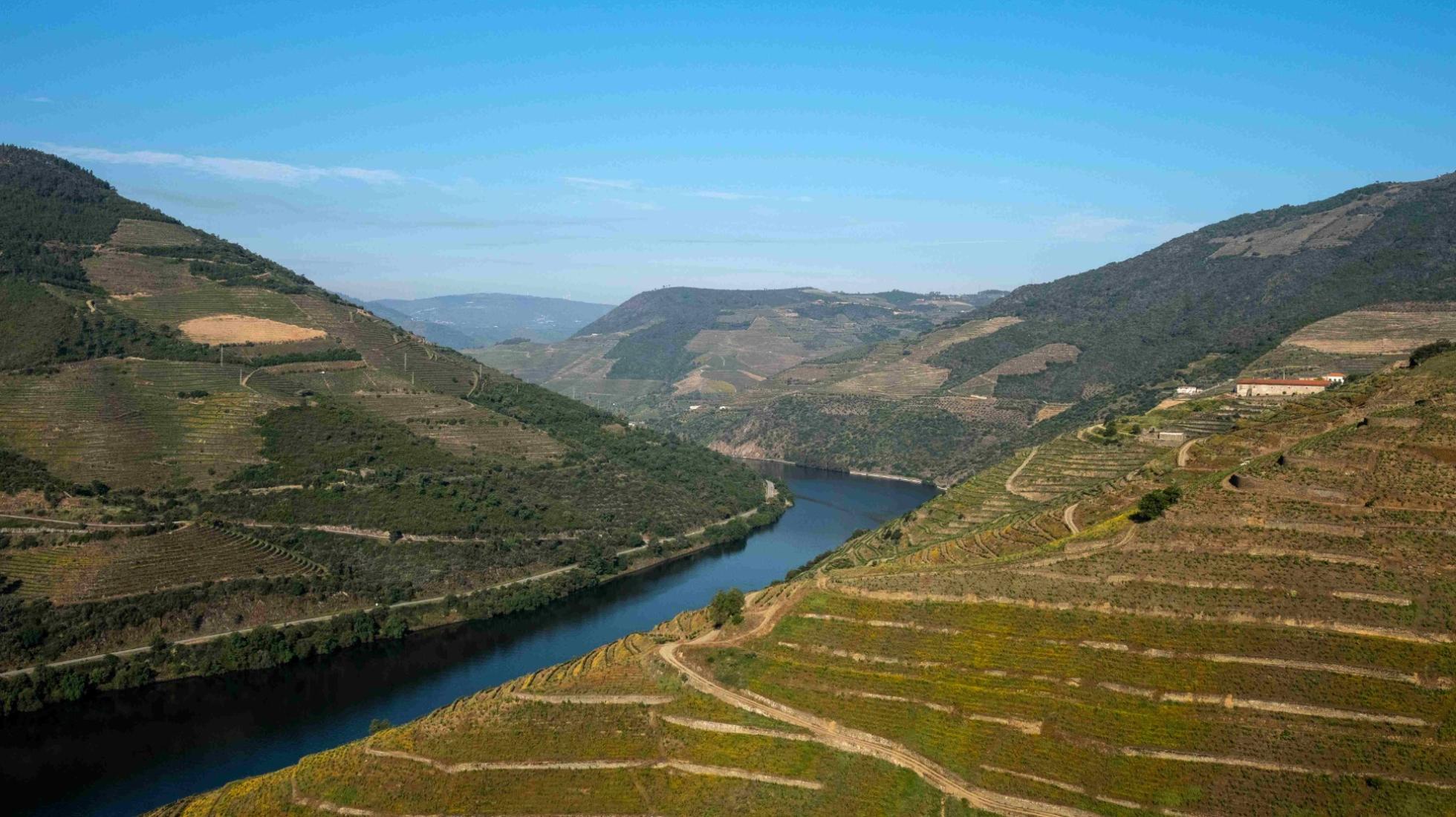
In the Douro Valley, villages such as Provesende overlook the river from the high plateaus above the vineyards. Despite the growing popularity of the region, daily life continues to follow agricultural rhythms more closely than tourism seasons.
The landscape itself reflects generations of adaptation to a demanding terrain. The steep stone terraces were not created for visitors or photographs but were instead forged over centuries of patient labour, making viticulture possible on the valley's rugged slopes.
On a quiet morning, it is still possible to hear tractors moving between the vineyards, see locals exchanging greetings in the village square, or find small family-run wine estates where conversations unfold without hurry. These details reveal a Douro that exists beyond its reputation, shaped equally by its people and its landscape.
The true value of visiting these hidden places in Portugal rarely lies in what can be captured by a camera. It is found instead in small, human moments: a neighbour arriving with a bottle of olive oil from the latest harvest, a spontaneous conversation in the village square, or the sound of church bells marking the rhythm of an ordinary afternoon.
Along the riverbanks and vineyard terraces, life continues much as it always has, revealing a side of Portugal that is easy to miss when travelling too quickly.
When is the best time to experience the Douro's tranquility?
Late spring and the harvest season reveal the Douro at its most authentic, when vineyard life is at its busiest, yet many villages continue to move at their own quiet pace.
Serra da Estrela: life shaped by altitude and season
In Serra da Estrela, isolation is not aesthetic — it is structural. Life in the mountain villages remains closely tied to the seasons, with weather and geography continually influencing daily routines. In winter, snow can linger along narrow roads for days, reminding everyone that nature still sets the pace in Portugal's highest mountain range.
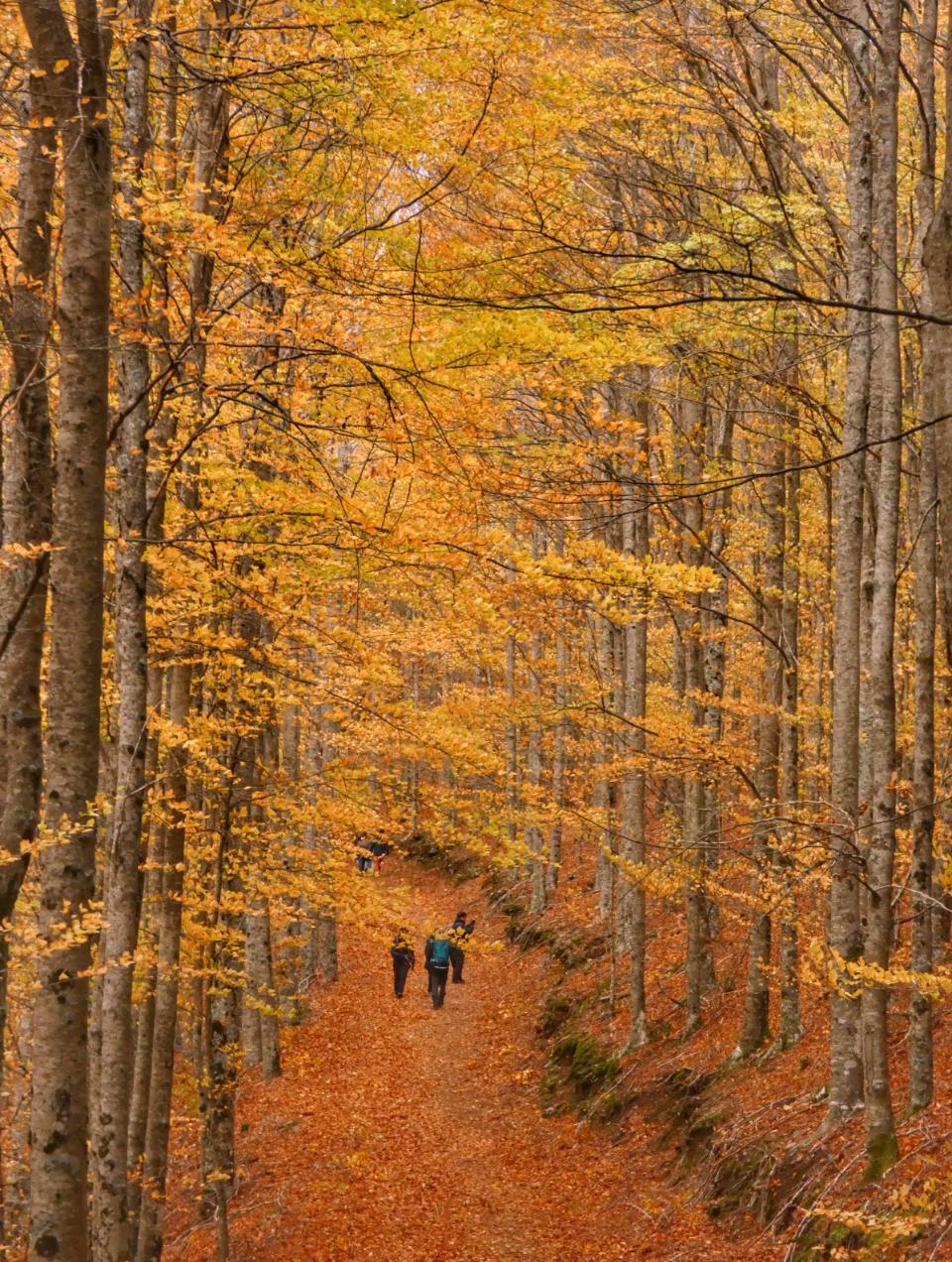 Serra da Estrela
Cheese producers follow traditional curing methods handed down for generations. Local cafés serve as social anchors rather than tourist spaces; residents gather to discuss weather, livestock, or local news.
A visitor may notice the rhythm shift almost without realising it. Conversations unfold without hurry, daily routines follow their own pace, and the surrounding mountains quietly weave into everyday life.
Can visitors meet local producers in Serra da Estrela?
Visits to traditional cheese producers, shepherds, and local artisans can often be arranged in advance, offering a deeper insight into the region's living traditions. Even so, some of the most rewarding moments remain unplanned — a conversation at a village market, a coffee shared in the square, or an unexpected story exchanged along the way.
Schist Villages: where Architecture Meets the Landscape
People often photograph the Schist Villages of central Portugal (Aldeias do Xisto) for their striking stone architecture and mountain landscapes. However, what makes them remarkable is the way they reveal a long relationship between people and place.
Built from the materials found in the surrounding hills, the villages tell a story of resilience, adaptation, and a deep connection to the landscape that shaped them.
In villages such as Talasnal or Figueira, evenings feature simple domestic rituals: wood smoke rising from chimneys, laundry moving gently in the mountain breeze, neighbours pausing for conversation in the narrow streets. Visitors are welcome, yet the villages remain grounded in their own rhythms, creating a rare balance between cultural preservation and thoughtful tourism.
Are the Schist Villages only tourist destinations?
This is not the case. Many communities remain vibrant where traditional knowledge, local customs, and connections to the land continue to shape life throughout the year.
The Quiet Landscapes of Portugal's Interior
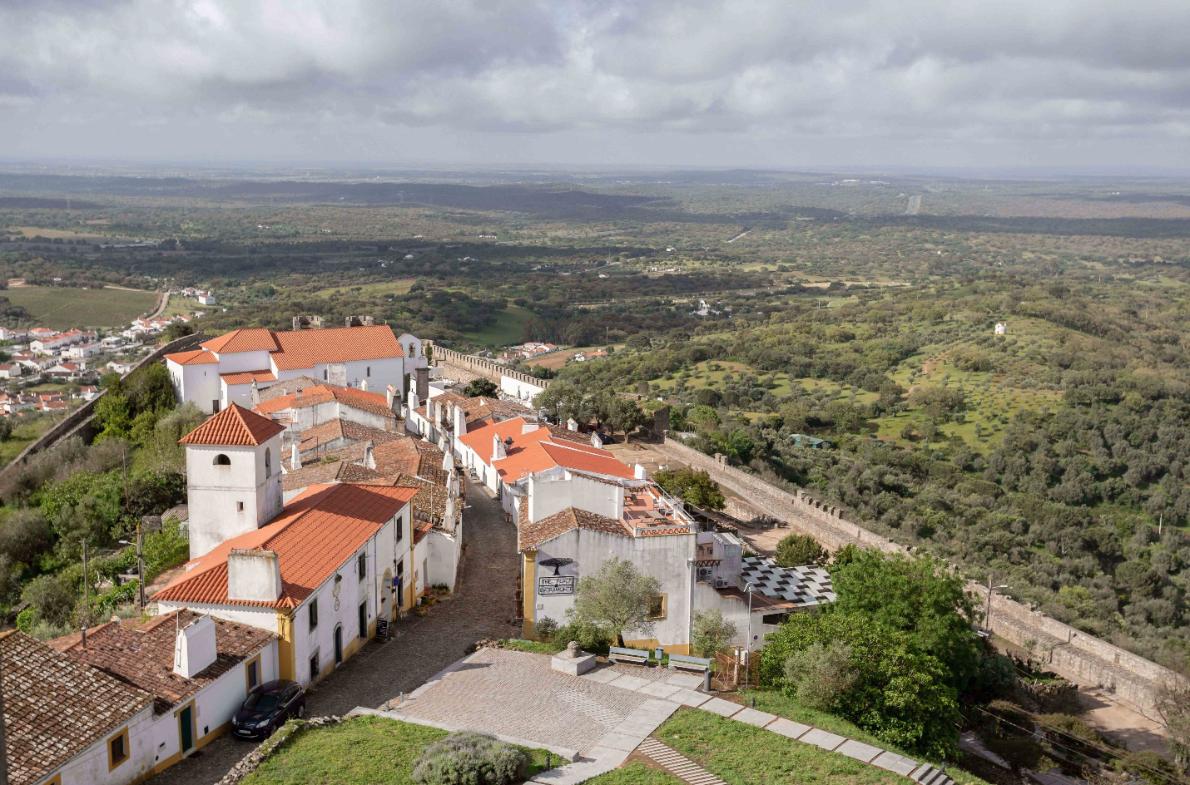
Travelling between Portugal's best-known regions often reveals a quieter landscape of agricultural valleys, river crossings, and small villages that seldom become destinations in their own right.
In these places, small cafés tend to be frequented by locals rather than visitors, where conversation unfolds without urgency. Markets serve not only as places of exchange but also as informal meeting points for surrounding communities. Roads stretch quietly through the landscape, occasionally crossed by a cyclist or a cart carrying firewood.
Observing these simple rhythms gradually shifts how travellers understand the country, beyond its monuments and mapped destinations.
Even a short walk can reveal small but vivid moments: the scent of chestnuts roasting in a village square, the sound of sheep bells carrying across a misty valley, or two neighbours greeting each other in passing, their familiarity needing no words.
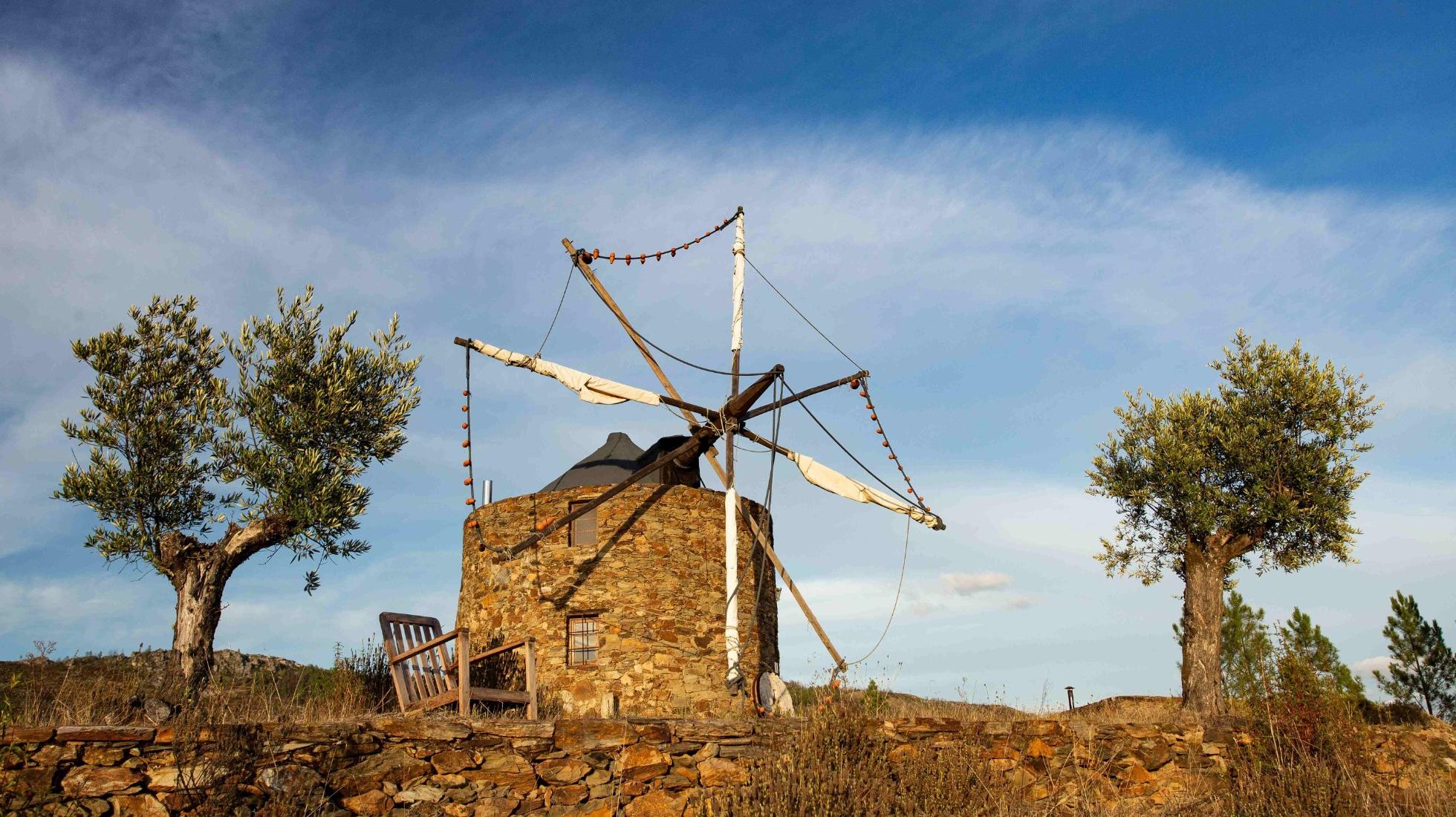
Cultural Threads: Living traditions across Portugal
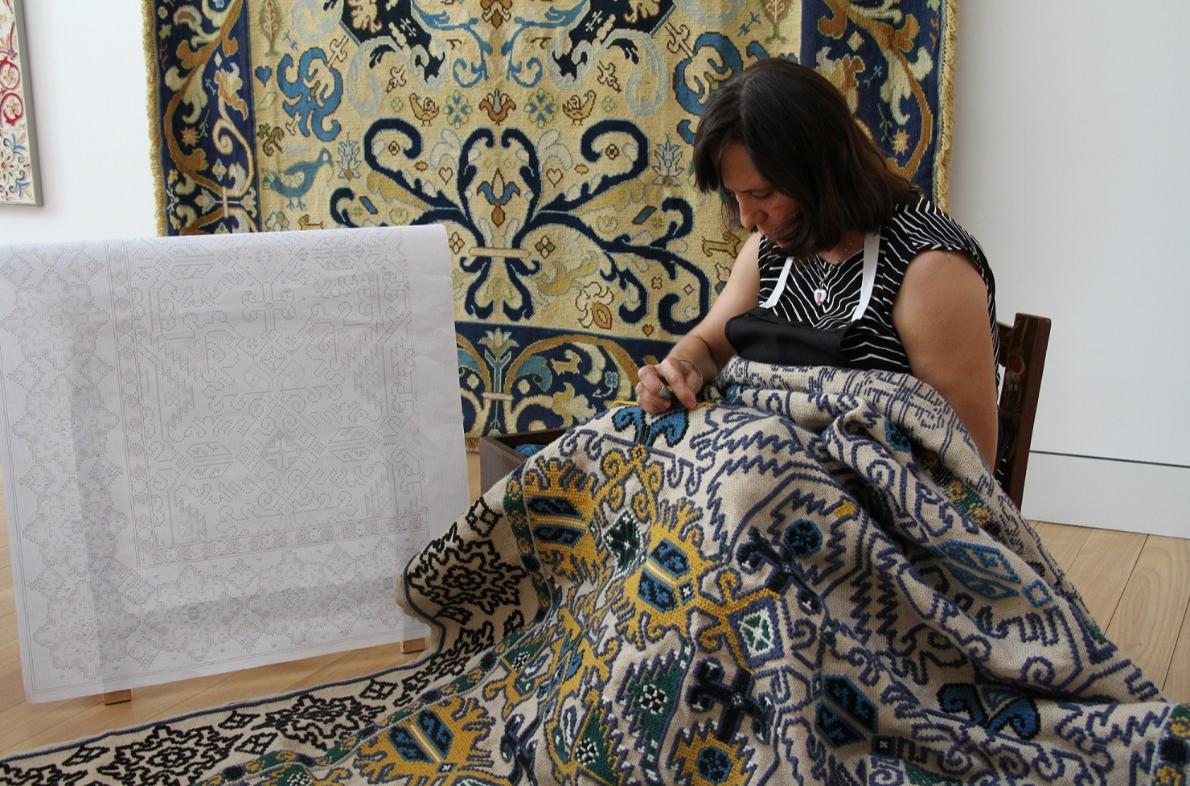
Visiting hidden places in Portugal is also about sensing the continuity of tradition. In Beira Interior, you may stumble upon a family spinning wool for blankets, or in the Alentejo hills, a baker preparing pão alentejano in a wood-fired oven. Festivals continue quietly, often unnoticed by outside visitors, but the songs, dances, and communal meals reveal a cultural depth impossible to replicate in crowded tourist centers.
It is precisely these moments — intimate, unhurried and often unplanned — that linger in memory. They reveal a Portugal experienced as much through small human gestures as through its landscapes and wider horizons.
Why Hidden Places in Portugal Resist Disappearing
In a Europe increasingly shaped by mass tourism, these places persist not because they resist visitors, but because they were never built with visitors in mind. They continue to function on their own terms, shaped by geography, community and long-established patterns of life rather than external attention.
Traveling here encourages a slowing of pace. Conversations extend naturally. Meals transform into experiences rather than checkboxes. Even silence becomes part of the journey — a silence that speaks of authenticity, continuity, and belonging.
Related