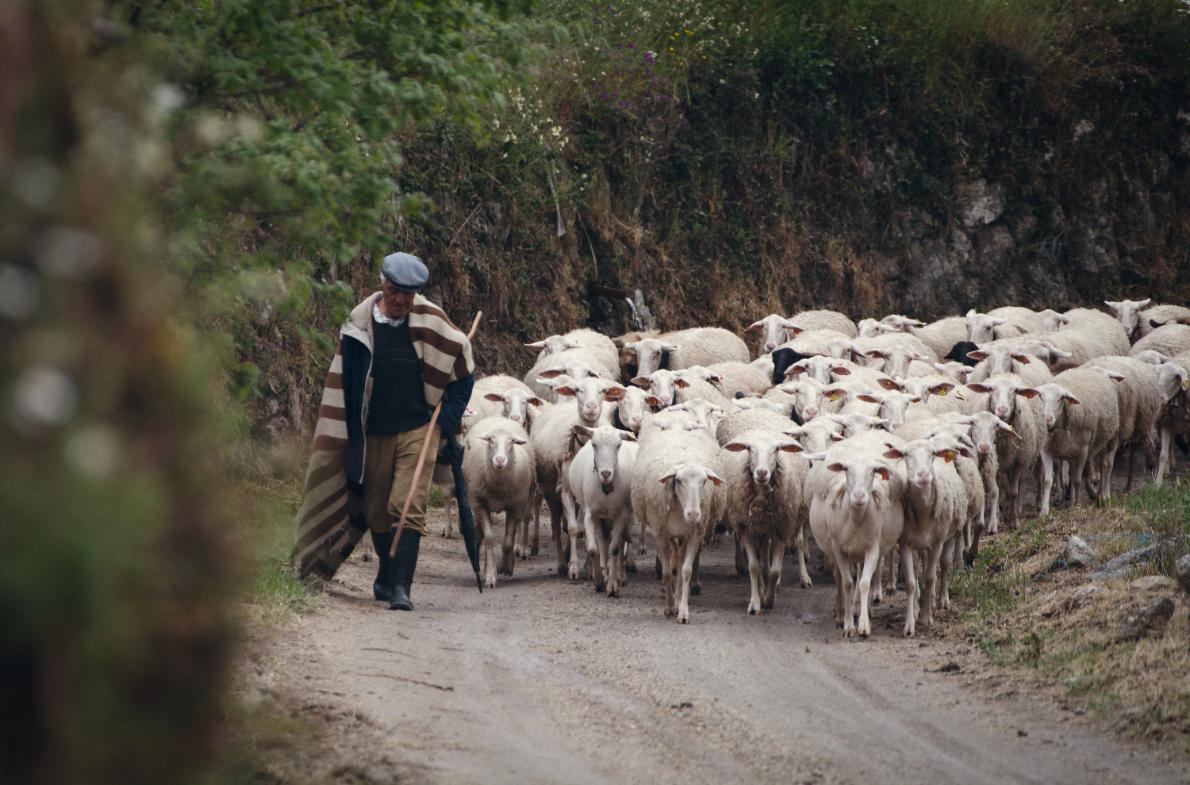
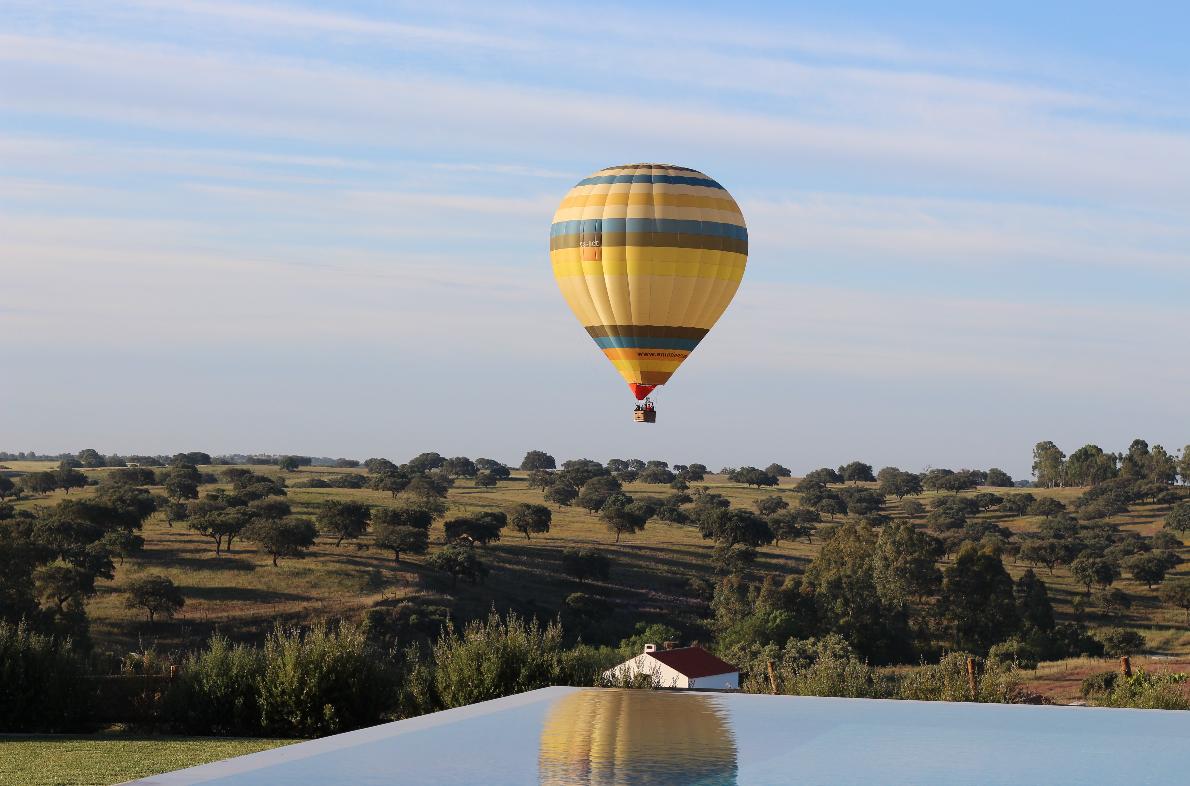
Quiet luxury in Portugal often begins with a simple moment. It might happen in a centuries-old olive grove in Alentejo, where the afternoon is marked only by the sound of cicadas. It could unfold during a private visit to a family winery in the Douro Valley, where the owner pours a glass of wine and begins telling stories that have never appeared in a guidebook. Sometimes, it is found over a simple meal in a fishing village, watching boats return with the day's catch.
This is quiet luxury in Portugal. It is not defined by extravagance but by the privilege of time, authenticity, and genuine human connection. For travelers who value meaning over spectacle, luxury here is found in living traditions, skilled craftsmanship, and the people who continue to shape the character of each region.
What is quiet luxury travel?
Quiet luxury travel is defined not by what money can buy, but by experiences that cannot be easily reproduced.
Quiet luxury favours discretion over display, embracing authentic experiences that reveal the true character of a destination. In Portugal, this might mean spending time with a family winemaker, meeting an artisan whose craft has been passed down through generations, or sharing a meal where local traditions matter more than ceremony.
Portugal has always possessed many of these qualities, long before the term became fashionable.
Across the country, family-owned estates, independent artisans, small wine producers, and local communities continue traditions that have evolved over generations. Visitors are often welcomed not as spectators but as guests.
A quiet luxury journey might include learning about cork harvesting from a landowner whose family has managed the same estate for centuries. It could mean meeting a ceramic artisan who still shapes clay using traditional methods or enjoying a private dinner prepared with ingredients gathered from a kitchen garden that morning.
These experiences carry a sense of continuity. They connect travelers not only with a place but with the people who shape it.
Is quiet luxury the same as luxury tourism?
Not necessarily. Traditional luxury tourism often emphasizes prestige and visible comfort. Quiet luxury focuses on authenticity, privacy, cultural depth, and meaningful experiences, while maintaining exceptional standards of service and comfort.
Is quiet luxury compatible with sustainable travel?
Absolutely. Quiet luxury and sustainable travel naturally align, sharing a commitment to supporting local communities, preserving cultural traditions, and embracing a slower, more intentional way of experiencing a destination. Rather than focusing on excess, both prioritise authenticity, craftsmanship, and meaningful connections with people and place. The result is a style of travel that is not only responsible but also deeply enriching and quietly transformative.
Why is Portugal perfect for quiet luxury?
Portugal’s appeal is shaped as much by what it resists as by what it embraces
While tourism has grown significantly, some regions have retained their cultural identity and everyday rhythms. Ancient agricultural traditions continue alongside contemporary creativity, and historic towns remain places where people live and work rather than open-air museums.
Geography also plays a role
Within a relatively small country, travelers move from vineyard-covered valleys to Atlantic fishing communities, medieval villages, mountain ranges, and open plains, often finding these places still remarkably uncrowded.
The country's long history adds another layer. Roman roads, medieval castles, monastic traditions, Jewish heritage, and centuries of maritime exploration have left traces that are woven into daily life rather than isolated behind museum walls.
Food and wine reflect this continuity
A meal in Portugal often tells the story of a region. Olive oil from centuries-old groves, cheeses produced using traditional methods, wines shaped by local grape varieties, and recipes passed through generations create a sense of place that cannot be manufactured.
Most importantly, Portugal values hospitality
There is a Portuguese expression, "receber bem," which means welcoming someone well. It is a quiet form of generosity that often leaves a lasting impression on visitors.
Why are affluent travelers choosing Portugal?
Many appreciate Portugal's combination of cultural authenticity, personal service, safety, excellent gastronomy, and the opportunity to enjoy exceptional experiences without the crowds associated with other European destinations.
Does quiet luxury mean avoiding popular destinations?
Not entirely. It often means discovering different perspectives—meeting local producers in the Douro, exploring lesser-known historic quarters, or experiencing celebrated regions beyond their busiest attractions.
Where can you experience quiet luxury in Portugal?
Quiet luxury is present across Portugal, though it feels most naturally expressed in certain regions.
Alentejo
Alentejo's landscape encourages a slower rhythm, reflecting why many travellers consider it Portugal's most authentic region.
Whitewashed villages, cork forests, vineyards, and vast plains create an atmosphere where silence becomes part of the experience. Family-owned estates produce wines, olive oils, and artisanal products while preserving traditions that have shaped the region for centuries.
A morning spent visiting a small pottery workshop or an evening under some of Europe's darkest skies can feel surprisingly restorative.
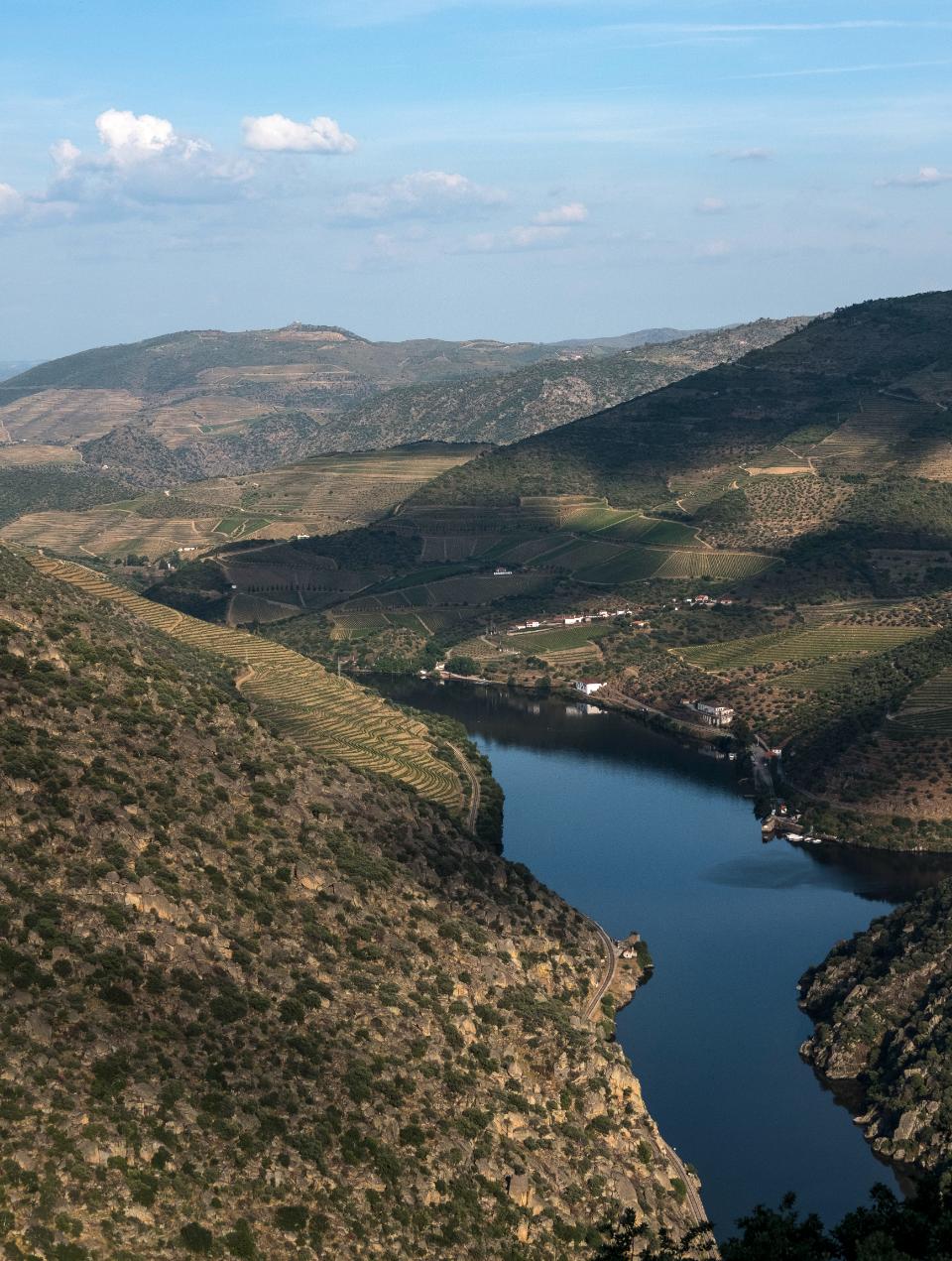
Douro Valley
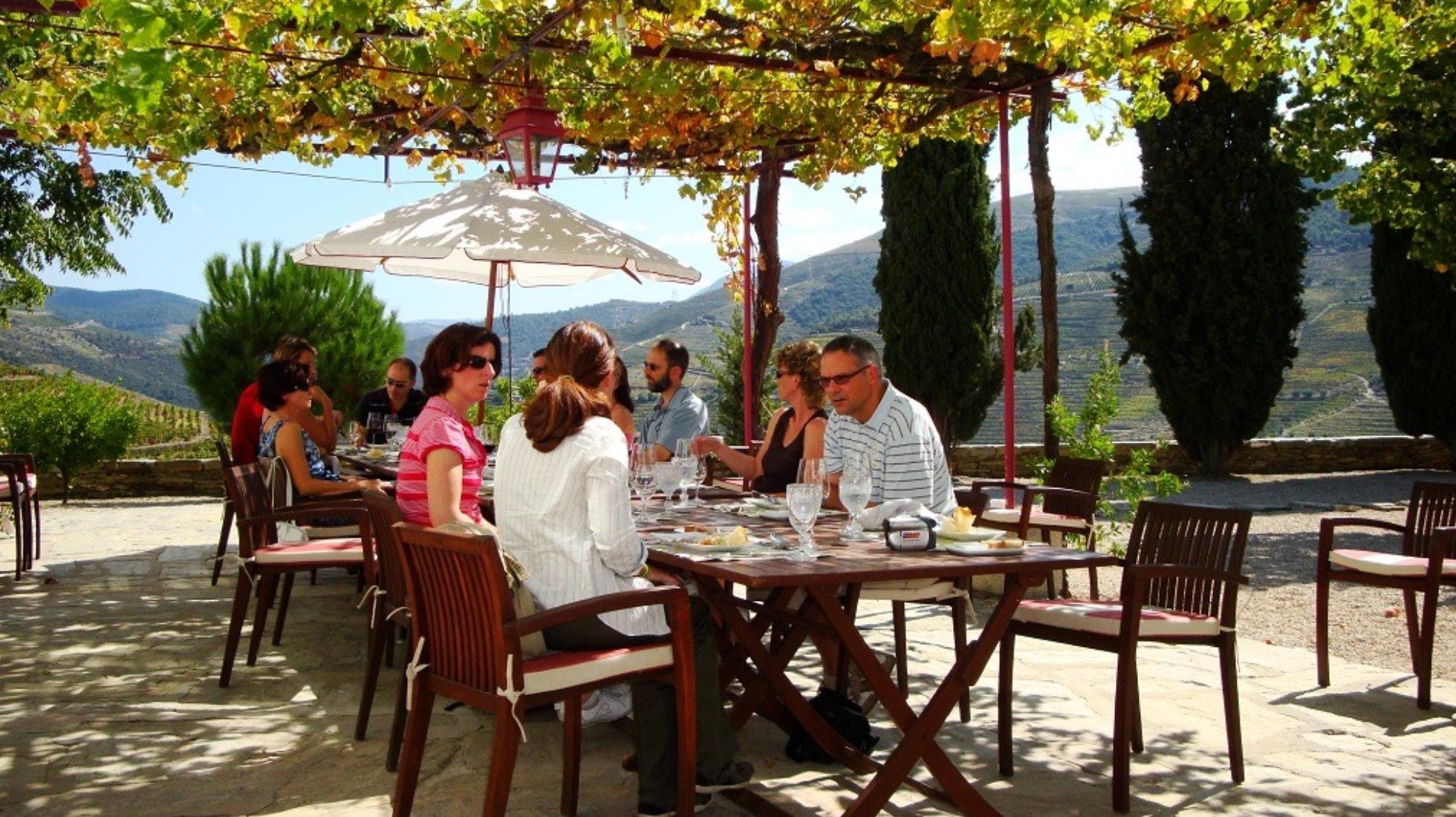
The Douro is famous for its wine, but its deeper character emerges through personal encounters. During harvest season in the Douro, conversations rarely linger on wine alone. Families speak of weather, grandparents, old vineyards, and the slow shifting rhythms of the valley.
Visitors welcomed into these moments often leave with memories that extend far beyond tasting notes. The valley itself invites contemplation, particularly during the quieter months when the vineyards change with the seasons.
Central Portugal's Historic Villages
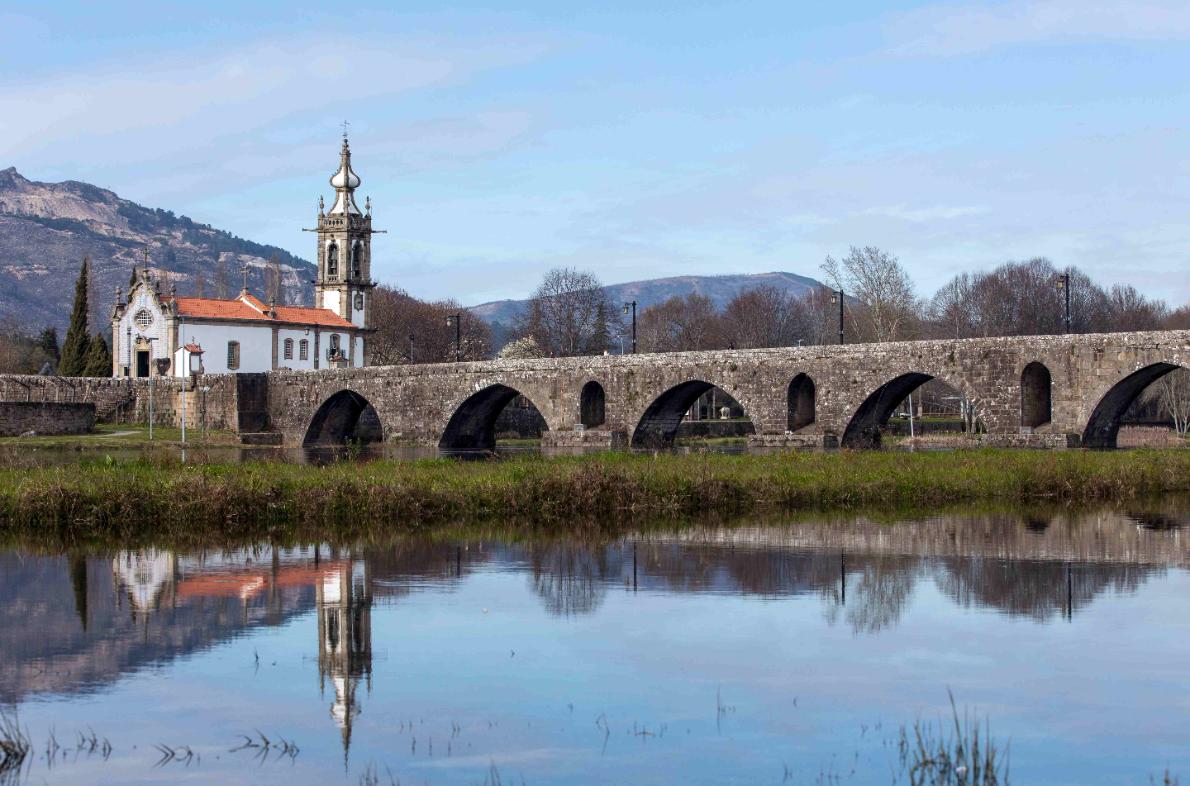
Stone villages, medieval castles, and mountain communities reveal a more authentic Portugal. Traditional crafts, local festivals, and enduring customs invite travellers to experience a way of life that remains largely untouched by mass tourism.
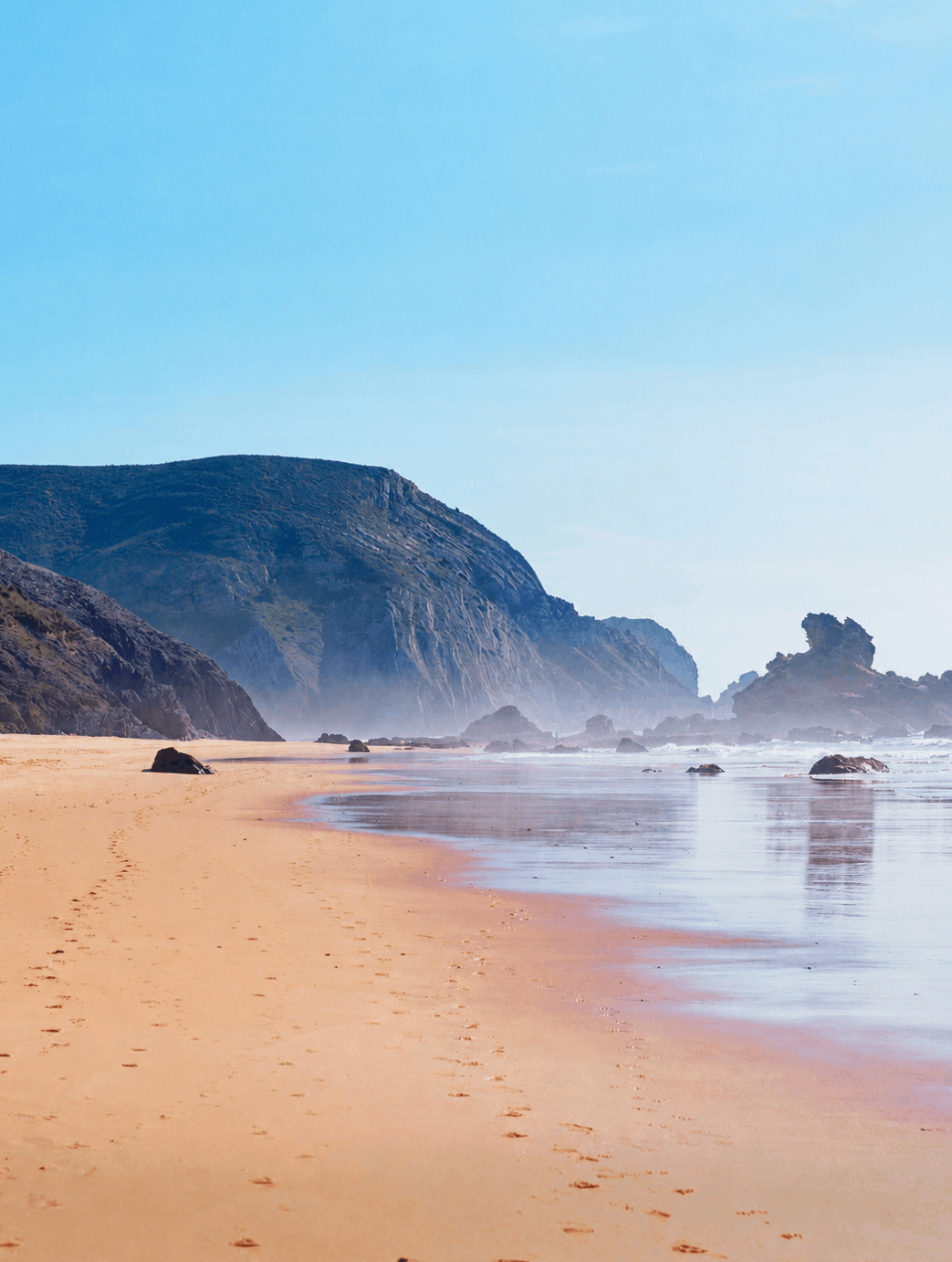
The Atlantic Coast
Portugal’s coastline reveals a form of understated luxury that has little to do with glamour.
Watching fishermen repair their nets, walking along protected dunes, or enjoying seafood prepared according to local traditions can provide a deeper understanding of coastal life than a busy resort ever could.
Along the Atlantic, the rhythm of the tides shapes daily life, creating opportunities to slow down and appreciate the landscape. Small fishing villages, hidden beaches, and family-owned restaurants invite travellers to experience the coast on its own terms.
Sunrise walks, boat trips with local crews, or simply pausing to watch the ocean become moments of quiet connection. Here, luxury is found not in exclusivity, but in the privilege of experiencing a coastline that has preserved its traditions and natural beauty.
What is the best region for quiet luxury in Portugal?
It depends on personal interests. Alentejo appeals to travelers seeking space, time and rural traditions, while the Douro combines wine heritage with remarkable landscapes. Central Portugal offers rich cultural experiences, and the Atlantic coast reveals enduring maritime traditions.
When is the best time to experience quiet luxury in Portugal?
Spring and autumn often provide the ideal balance of pleasant weather, seasonal activities, and opportunities for more meaningful interactions with local communities.
Quiet luxury in Portugal is ultimately about perspective
It is choosing a conversation over a queue, a family vineyard over a crowded attraction, a meal prepared from local ingredients over a fashionable reservation. It is understanding that comfort and authenticity are not opposing ideas but complementary ones.
Portugal rewards curiosity. It invites travelers to notice the details: the rhythm of a traditional market, the craftsmanship behind a handmade object, the stories shared around a table.
In a world that often celebrates more, Portugal quietly suggests another possibility—that the richest journeys may simply help us pay closer attention.
Related