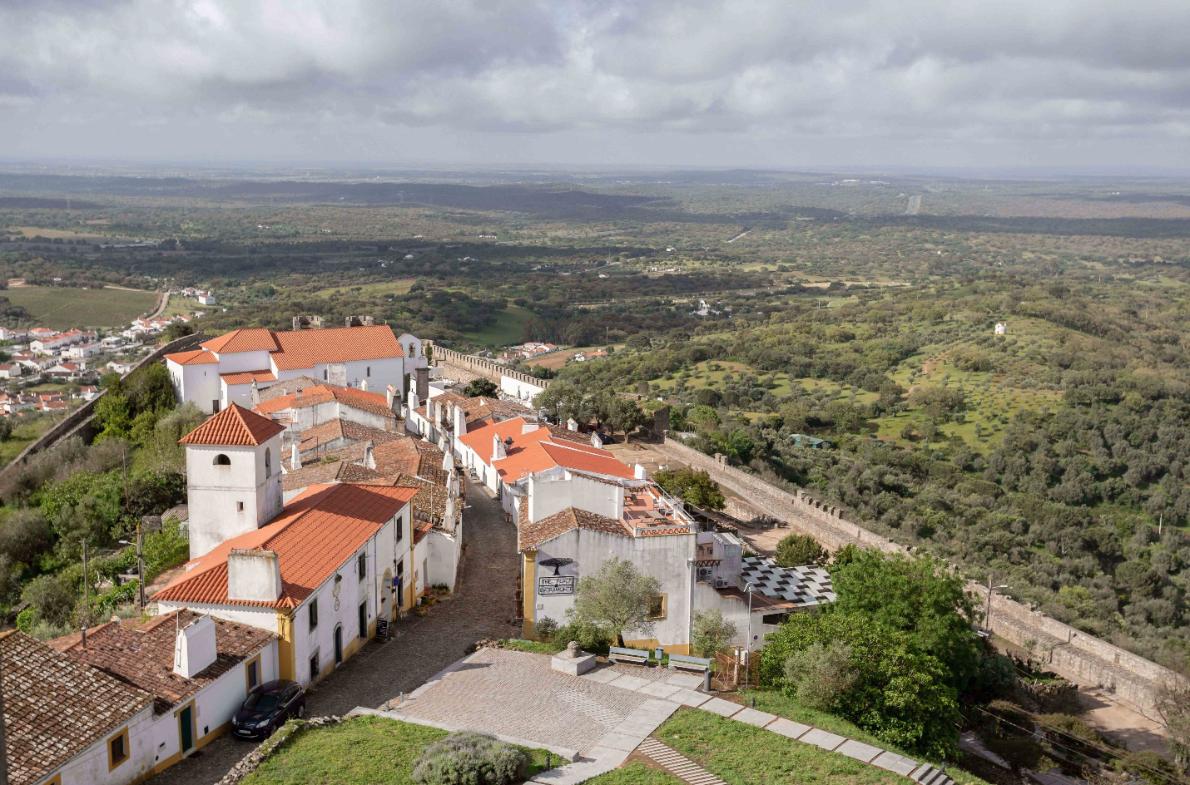
Authentic Places Worth Discovering
Portugal is everywhere right now. Lisbon, Porto and the Algarve—you don't even need to have been there to recognise them anymore. The images are consistently beautiful. Sometimes, they seem almost too perfect. I've spent time in all of them, and I understand why travellers are drawn to them. Still, after a while, I found myself looking for something different.
I found it in the hidden villages in Portugal—places where everyday life unfolds at its own pace and authenticity doesn't need to be created because it has always been there, offering some of the most authentic travel experiences in Portugal. That is often when Portugal's hidden villages begin to make sense. Not as places to tick off a list, but as places to experience. I remember stopping once for no particular reason. Something in the road slowed me down—a few chickens crossing, completely unbothered.
Behind them were stone houses, a little smoke rising into the air and a dog that looked up briefly before losing interest. Nothing about the scene tried to impress. I stayed much longer than I had planned. It is often these quieter places that reveal many of Portugal's hidden places beyond the country's best-known destinations
What Does Authenticity Really Feel Like?
"Authentic" is one of those words that is used too easily. You see it everywhere—and after a while, it begins to lose its meaning. But in Portugal's hidden villages, there is no effort to be anything other than what they have always been. No one changes because you are there.
I once stopped at a place that could barely be called a café. A counter, a couple of tables—that was all. The coffee arrived without a word beyond what was necessary. Strong and slightly bitter. At another table, two men were talking. I didn't understand everything they said, but I understood enough—the rhythm more than the words. It didn't feel like a moment created for visitors.
It was simply everyday life unfolding around me. And I think that's what makes Portugal's hidden villages so memorable. It's less about what you do and more about what you begin to notice.
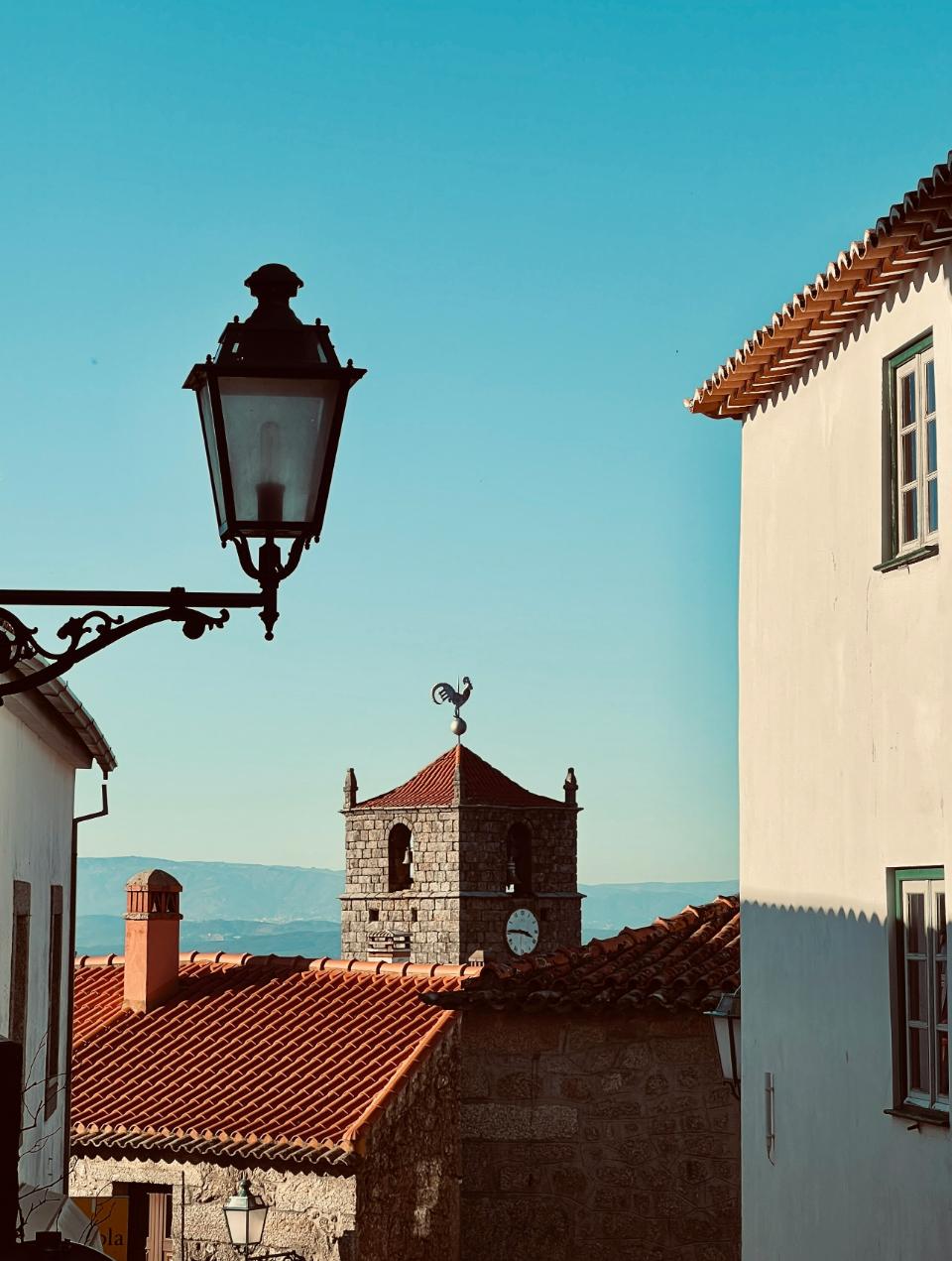
Monsanto — Where Nothing Feels Forced
Monsanto is... unusual. Not in a curated way. In a way that makes you stop and look again. The enormous granite boulders are not decorative; they define everything. Houses are built around them, beneath them, sometimes in ways that seem almost impossible at first glance.
Walking through the village, you constantly find yourself adjusting your sense of space. At one point, I turned a corner and realised I was standing beneath an enormous rock. I actually stopped—not because I had planned to, but because it felt slightly unreal. Life carries on around it without hesitation. Children play, neighbours chat, and daily routines unfold as though the landscape had never been unusual at all.
There's something deeply honest about Monsanto. Often recognised as one of Portugal's hidden villages, what stays with you isn't simply its extraordinary landscape. It's how naturally people and place have learned to exist together.
The Road to Piódão
Getting to Piódão takes a little patience. The road curves more than you expect. At some point, you stop checking how far is left. Mist often settles across the hills—not dramatically, just enough to soften the landscape. Then, almost without warning, the village appears. It doesn't feel like an arrival. More like somewhere you've been slowly approaching long before you first see it.
The slate houses blend into the hillside so completely that, for a moment, it is difficult to tell where the village ends and the mountain begins.
Staying overnight changes the experience completely, much like many of the country's finest tailor-made journeys, where slowing down becomes part of the experience.
You notice quieter sounds—a door closing, footsteps on stone, distant voices carried by the wind. The air holds a mixture of scents that are difficult to place. Perhaps wood smoke, perhaps wild herbs. Sleep feels different—not better, just unfamiliar.
In the morning, there is fresh bread. Still warm. It's a simple detail, but it stays with you. That is often how Portugal's hidden villages leave their mark—not through grand moments, but through quiet ones that are surprisingly difficult to forget.
Marvão — Space and Stillness
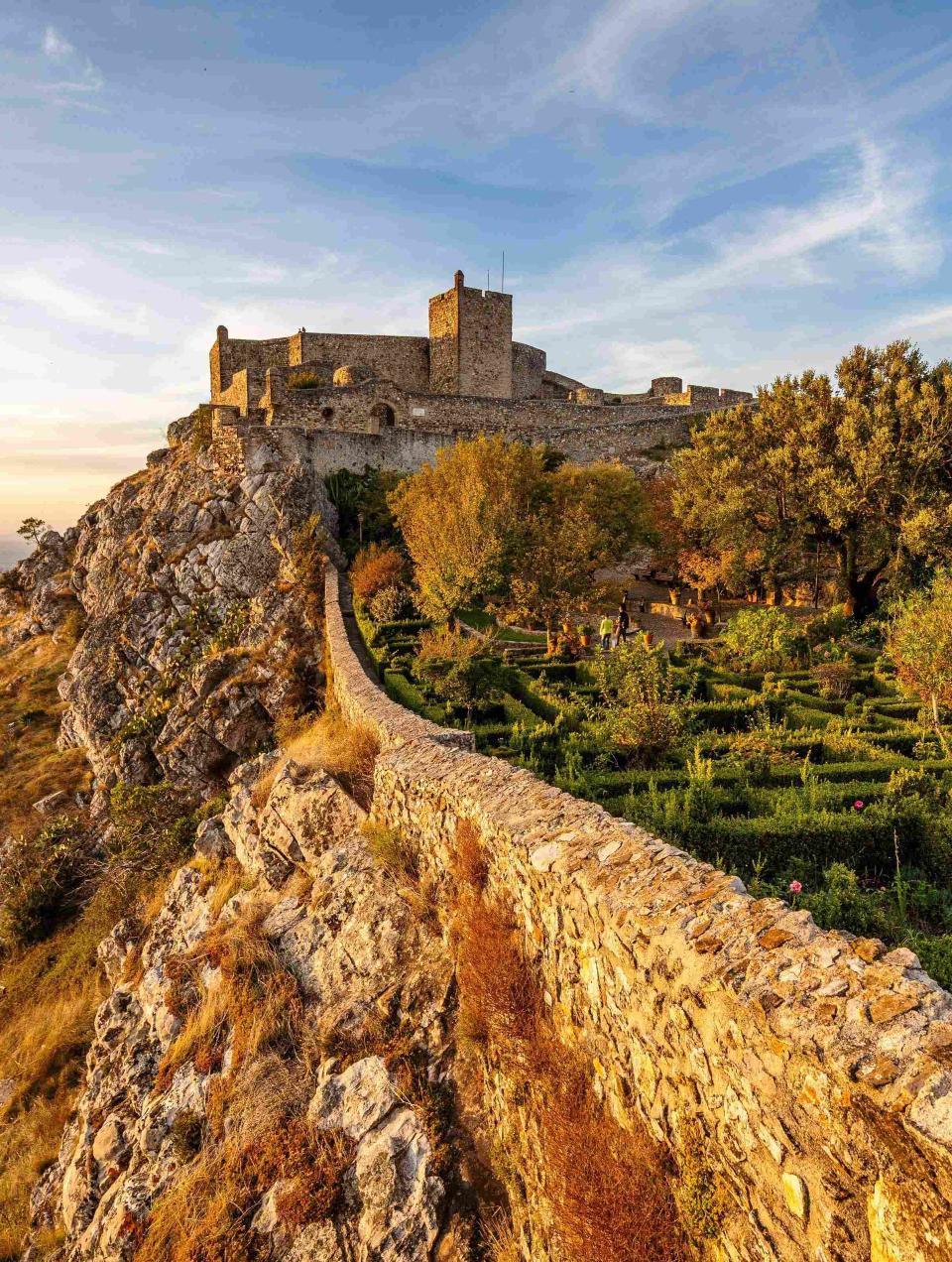
Marvão sits high above the surrounding landscape, and the view changes almost as soon as you arrive. Everything suddenly opens up. There's very little you need to do here. In fact, doing less makes far more sense. Walking, stopping, looking—that's enough. At one point, I noticed clouds drifting below where I was standing.
It's a small shift in perspective, yet it quietly changes the way you see the landscape—and perhaps your own pace as well. That's part of what makes places like Marvão so memorable. They don't offer endless activities. They offer space.
As the day unfolds, an almost unnoticed silence begins to settle over the village. The stone streets, the wind brushing against the ancient walls and the far-reaching views all encourage you to slow down without ever asking you to. By the time you leave, you realise Marvão never tried to impress you. It simply remained true to itself.
Sortelha — Slower Than Expected
Sortelha feels slower. It's not empty, nor is it especially quiet. It simply moves at a different pace. The uneven stone streets make it difficult to rush, even if you wanted to. I passed someone slowly sweeping outside their house, without the slightest sense of urgency. We exchanged a quiet bom dia. A few more words followed, though I didn't understand them all. It didn't matter.
Somewhere nearby, a church bell rang softly. It wasn't announcing anything in particular. It was simply marking the passing of time. And somehow, that felt enough. In Sortelha, nothing tries to stand out—and perhaps that is exactly why it does.
Monsaraz — Where Time Stretches
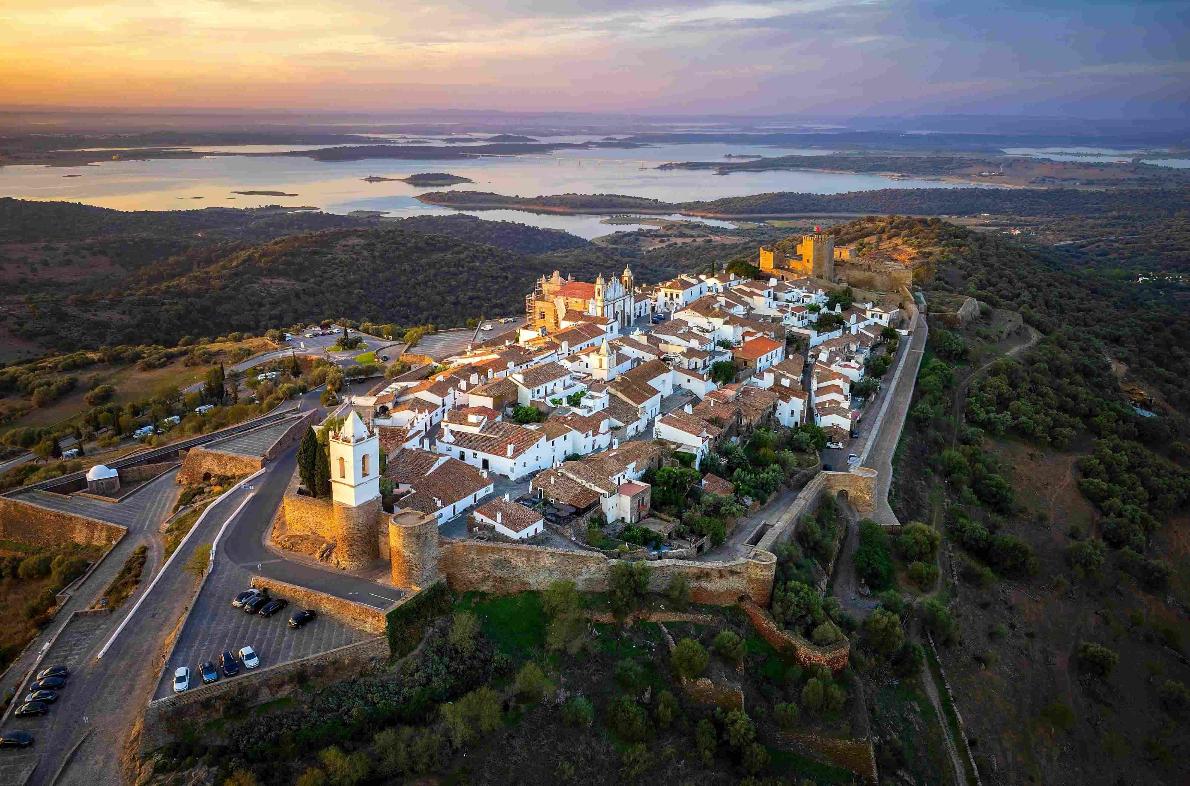
Monsaraz feels different. The whitewashed houses reflect the light in a way that makes everything seem calmer. Beyond the medieval walls, the landscape stretches towards the Alqueva Lake, where the horizon appears almost endless. Like much of the Alentejo, the landscape encourages you to slow down.I stopped for a coffee. Then stayed longer than I had planned.
Nearby, a conversation drifted between the weather, the vineyards and the land—ordinary subjects that somehow felt entirely appropriate here. Time no longer seemed particularly important. And that is increasingly rare.
Food That Belongs to the Place
Food is rarely the reason people visit hidden villages in Portugal. Yet it often becomes one of the things they remember most. The cheese tastes of the pastures where it was made. The bread arrives still warm from the village bakery. Sun-ripened figs are sweet without trying to be perfect. I once had a soup that looked almost too simple.
I can no longer remember every ingredient. But I still remember how it felt after a long walk through quiet stone streets. Sometimes, that is enough.
Which Moments Stay With You?
It is rarely the obvious ones. A child chasing a ball across the village square. A chair scraping gently over old stone. An open doorway. The scent of wood smoke drifting through the air. A church bell marking nothing more than another ordinary afternoon. None of these moments are planned. Yet they are often the ones that remain long after the journey has ended.
Yet these experiences rarely happen by accident. The most rewarding journeys through Portugal's hidden villages are often the result of thoughtful planning, local knowledge and a genuine understanding of the country. Knowing where to slow down, which roads to take and when to linger a little longer often makes the difference between simply visiting a village and truly experiencing it.
How to Experience Hidden Villages in Portugal
There is no perfect formula.
But a few simple choices can make all the difference.
- Stay longer than you think you need.
- Walk without deciding exactly where you are going.
- Say bom dia, even if it is the only Portuguese word you know.
- Leave space in your itinerary for the unexpected.
The greatest reward of hidden villages in Portugal is not something you can schedule. It is one of the reasons why so many travellers choose private tours in Portugal, allowing more time for unexpected encounters and places that rarely appear on traditional itineraries. It is something you allow yourself to experience.
Perhaps that is part of what makes hidden villages in Portugal so rewarding. They remind us that luxury is not always found in exclusivity or abundance, but in having the freedom to slow down long enough to appreciate where we are.
Related